What chipped edge recovery covers
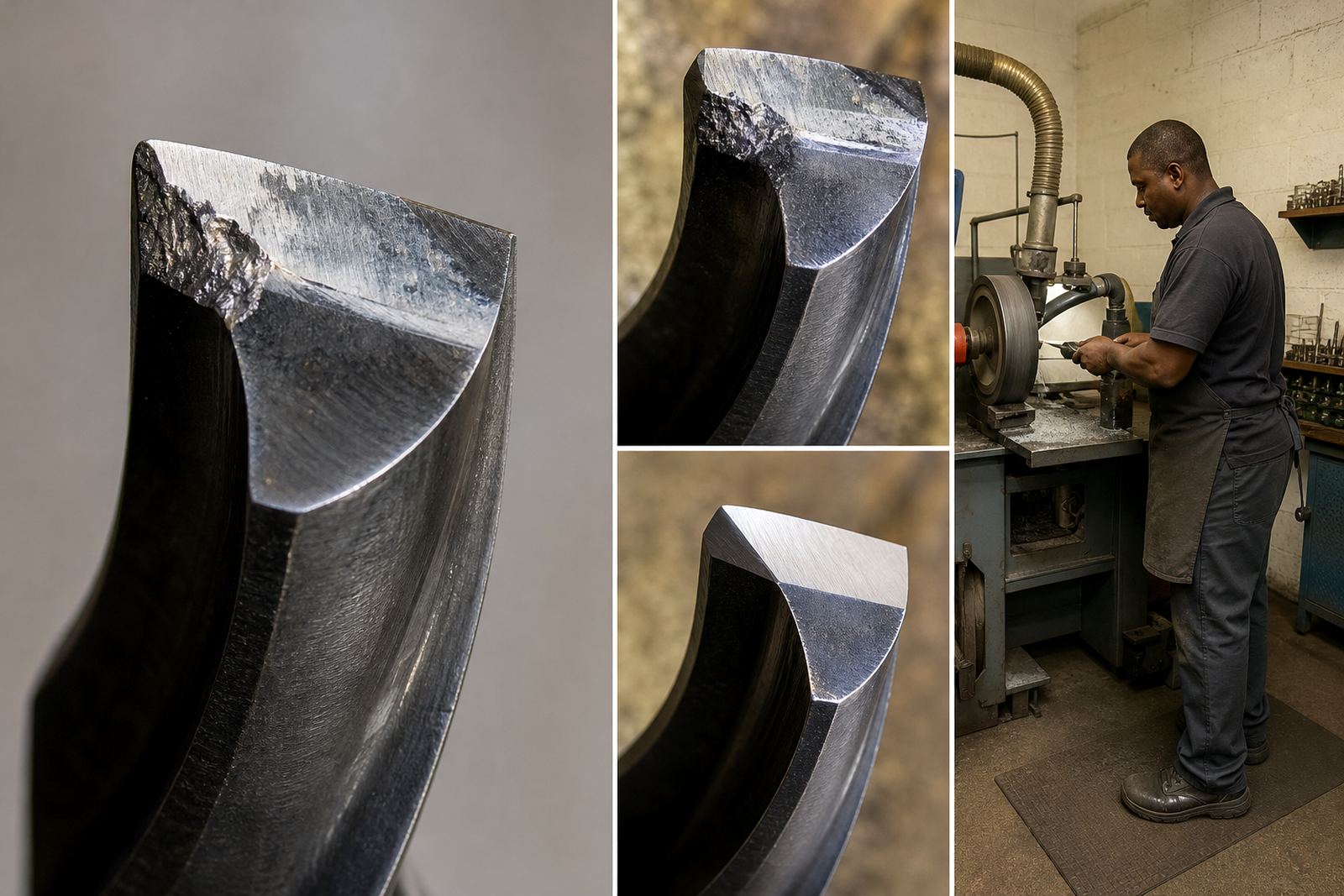
Chipped edge recovery is for cutters that have lost small sections of the edge through impact, hard knots, nail contact, overheating or ordinary wear. We remove the damaged section by controlled regrinding, then restore the cutting geometry so the tool can work properly again. This is suitable for many saw blades, drill bits and router bits where the base body is still sound and the damage is limited to the edge.
The aim is practical recovery, not cosmetic perfection. If the chip is minor, the cutting edge can often be brought back into service with a clean finish and correct angle. If the damage is too deep, or the tool has already been overheated, bent or cracked, we will say so before proceeding. That saves time and prevents bad cutting results in the workshop.
We handle work for hobby users, contractors, joiners and small factories across Pinetown, Durban, Westville, Hillcrest, Pietermaritzburg, Johannesburg, Pretoria and Cape Town. Courier collection can be booked anywhere in South Africa.
How we recover a chipped edge
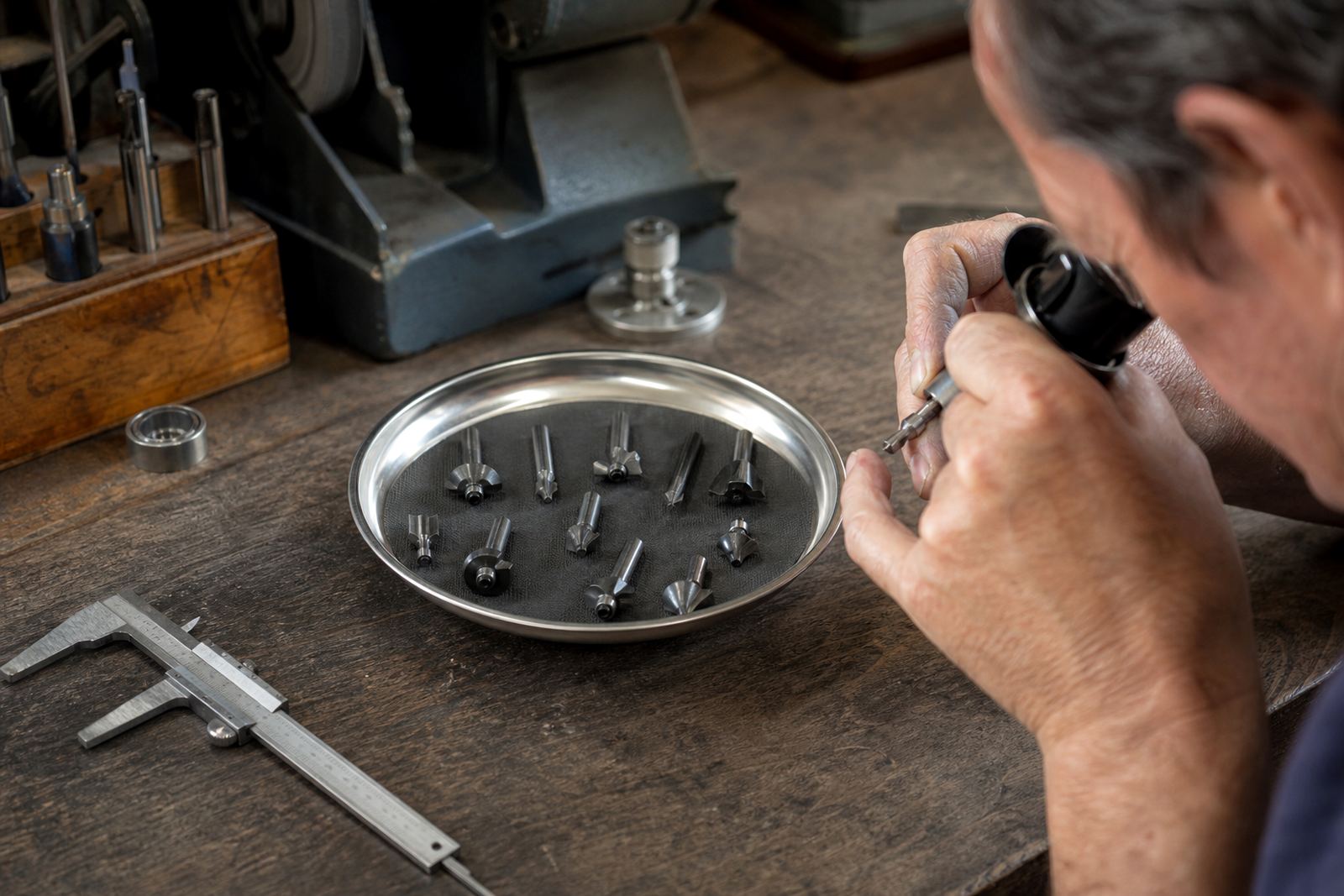
Every tool starts with a visual check and measurement. We look at the size of the chip, the remaining tooth form, the wear pattern and whether the cutter is still within acceptable tolerances. The technician then selects the correct grinding method, wheel profile and angle settings for that tool type. A chipped edge needs a measured approach, not just a quick touch-up.
The process usually includes the following steps:
- Incoming inspection and job tagging
- Cleaning off pitch, dust and cutting residue
- Checking for cracks, bent shanks or warped blades
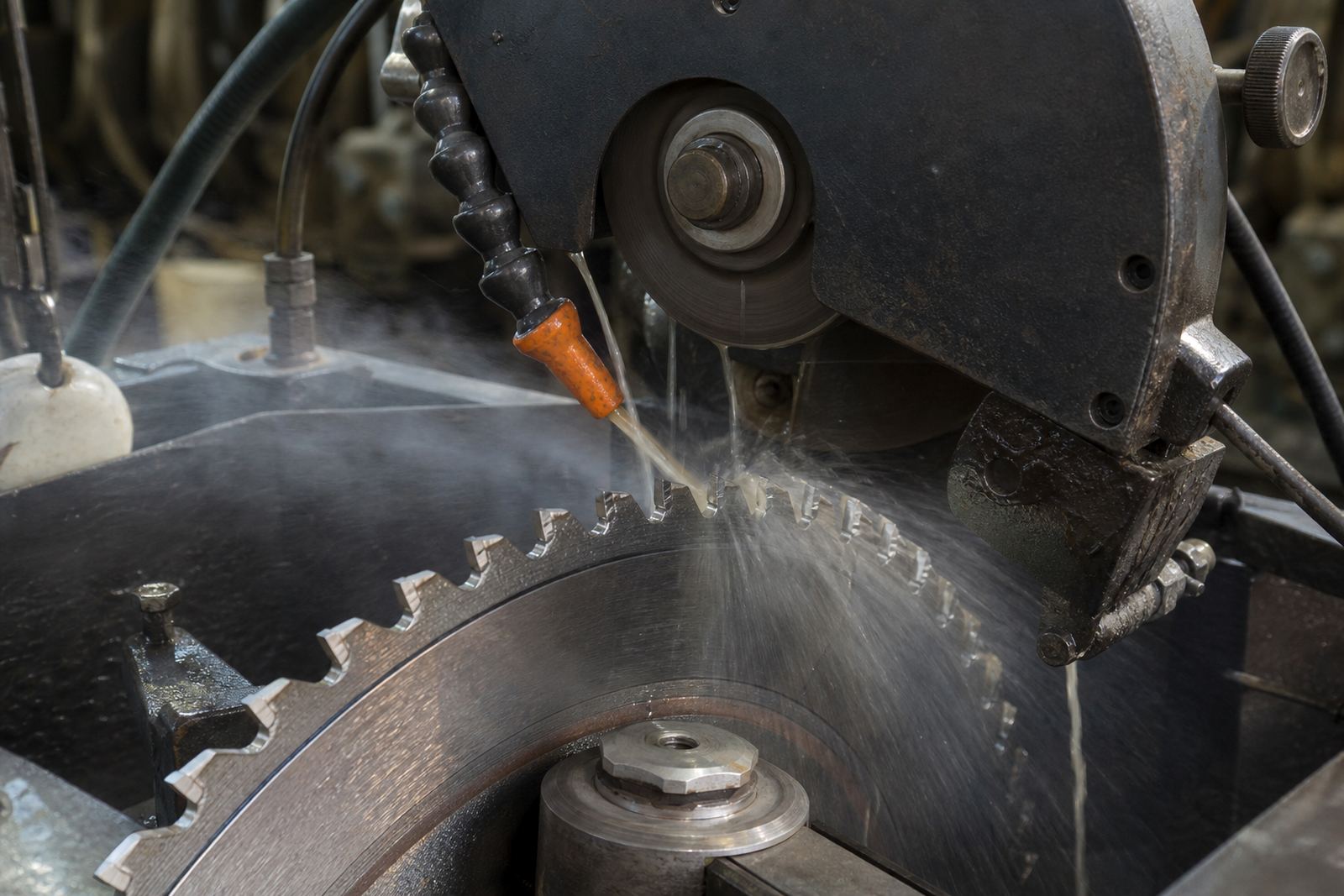
- Controlled removal of the damaged section
- Re-establishing the original or specified angle
- Balance and edge consistency checks where relevant
- Final inspection before collection or dispatch
For router bits and drills, we pay close attention to symmetry and cutting face alignment. For saw blades, we check tooth spacing, set, and cutting consistency so the recovered edge does not pull to one side or leave a rough finish. The result should feed cleanly and cut without chatter, which is especially important on softer woods, laminated board and light metal work.
Tool types, damage limits and practical specs
Different cutters respond differently to regrinding. A small chip on a carbide-tipped saw tooth can often be recovered with careful top grinding or face work. A drill bit with a damaged lip may need both sharpening and angle correction. Router bits with localised edge breakage can sometimes be recovered if the cutting body has enough material left for safe reshaping.
We work to practical workshop specs, including edge symmetry, correct relief angles and consistent cutting height. Typical tolerances depend on the tool and its condition, but the aim is always to preserve enough material for further service. If a tool has already been ground down too many times, or if the chip has reached the core of the cutter, recovery may not be economical.
- Saw blades: chipped teeth, small missing corners, uneven wear patterns
- Drills: lip chips, blunt point damage, slight tip burn from overheating
- Router bits: minor edge breakage, blunt profiles, localised burning marks
- Materials: wood-cutting tools, general workshop cutters and selected industrial tools
We do not push tools past their safe life. If recovery would leave the cutter weak or unusable, we will advise on the next step rather than forcing a bad result. That keeps your work safer and your cuts more accurate.
Turnaround for single tools and batch jobs
Turnaround depends on the amount of damage, the tool type and the size of the batch. Simple chipped-edge work can often move quickly, while larger mixed loads may need a little more time for inspection, grinding and final checking. In and around Pinetown, many customers use courier drop-off or collection to avoid downtime on site.
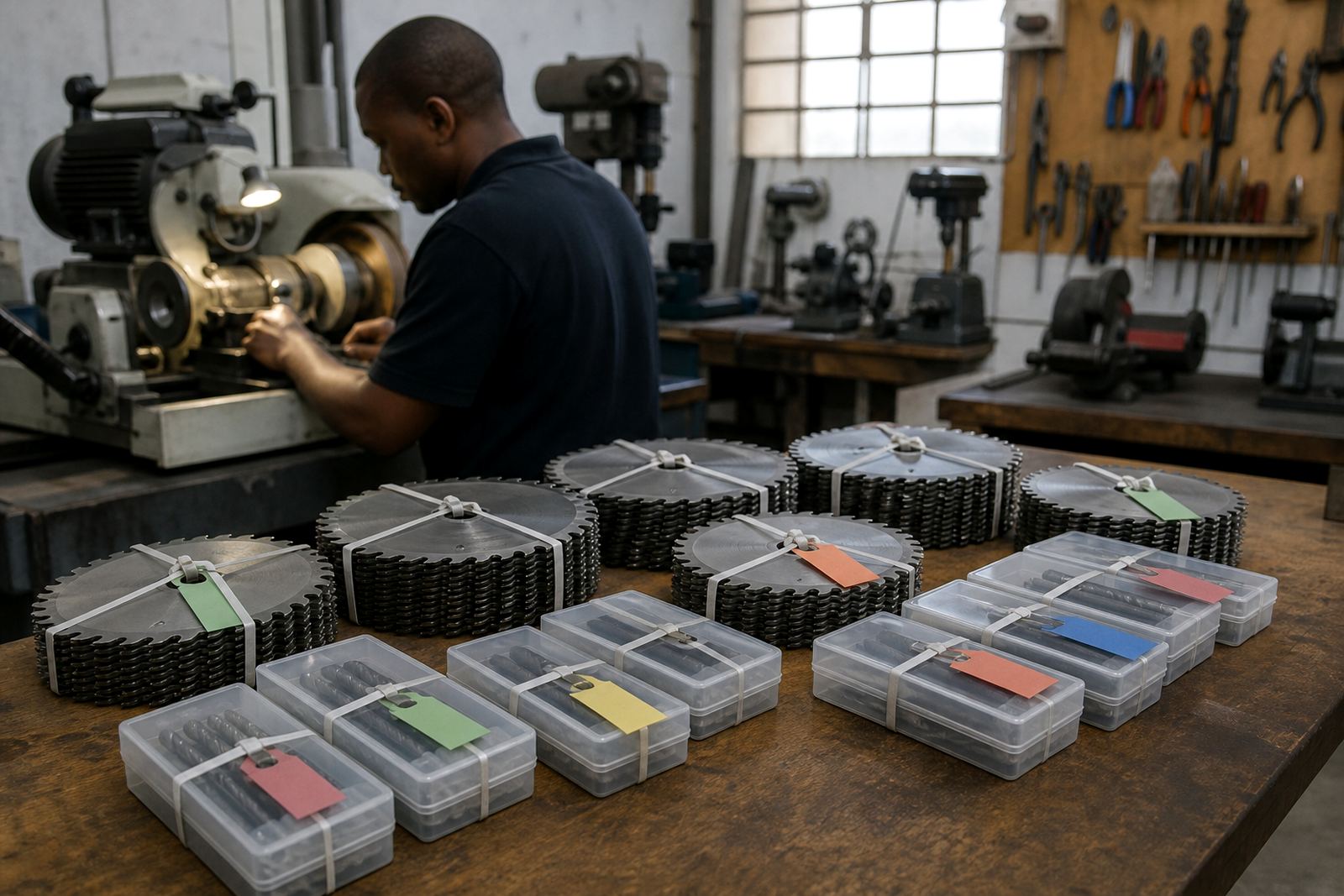
For regular users, batch tagging helps keep the job organised. Each set is marked, checked in and returned in order, which is useful when you have different cutter sizes in one box. During busy periods or after load-shedding interruptions, we may need a bit more time, so it is worth booking early if your workshop depends on a specific return date.
Turnaround is also affected by how much base metal or carbide has to be removed. A light chip may need only minimal regrinding, while a damaged edge with heat marks may require a more careful rebuild. We will always tell you what to expect before the work starts.
Pricing approach and what affects the cost
We price chipped edge recovery according to the tool type, condition, material and quantity. A small chip on one cutter is usually priced differently from a batch with mixed wear, since the machine time and setup work are not the same. The condition of the edge matters most, because a tool with heat damage or repeated dulling takes longer to recover.
Our approach is simple: you only pay for the work needed to restore a usable edge, not for unnecessary extra grinding. If a tool only needs light correction, the cost stays lower. If it needs deeper reworking, tooth rebuilding or additional angle correction, we will explain that before proceeding. No hidden extras, and no guesswork.
- Tool type and size
- Extent of the chip or breakage
- Number of tools in the batch
- Whether angle correction or balance checks are needed
- Courier collection and return requirements
For businesses that send tools in regularly, batch sorting helps keep prices predictable. The same applies to hobby users who bring in mixed tools after a workshop clean-out or a project where the cutters hit a nail or stone.
Keeping recovered edges working longer
Once a chipped edge has been recovered, proper use and storage matter. Keep cutters clean, dry and separated so the edges do not knock against each other in a box. In coastal areas such as Durban and other humid locations, light rust can start quickly so tools should be wiped down after use and stored away from moisture.
Maintenance intervals depend on the material being cut and how hard the tool is working. For regular timber work, many users send cutters in before performance drops too far, rather than waiting for a major chip. If the tool begins to burn, pull off line or leave rough cuts, that is usually the sign that sharpening or regrinding is due.
General intervals vary by use, but a practical rule is to inspect cutters after every demanding job, especially if you are cutting reclaimed material, dense hardwood, or board with hidden debris. Early attention keeps the chip from spreading and often reduces the amount of metal that must be removed later.
How to book chipped edge recovery
To book the service, send your details through the enquiry form on our contact page and let us know the tool type, approximate quantity and where collection is needed. We serve Pinetown, Durban, Westville, Hillcrest, Pietermaritzburg, Johannesburg, Pretoria and Cape Town, with courier collection available across South Africa. If you have mixed cutters in one parcel, include a note so we can sort and tag them correctly.
We are based in Pinetown, KwaZulu-Natal, and our workshop team handles each job with practical, measured regrinding rather than quick overcutting. That gives you a better chance of keeping the tool in service for another cycle. If the chip is minor, there is often good life left in the cutter, and a proper recovery can make a real difference to finish quality.
For repeat workshop users, we can also advise on training and starter kits for basic care between services. Small habits matter, and the right handling can reduce chips, heat damage and unnecessary downtime.
Key facts
| Service area | Pinetown, Durban, Westville, Hillcrest, Pietermaritzburg, Johannesburg, Pretoria, Cape Town and nationwide courier collection |
|---|---|
| Tool types | Saw blades, drill bits and router bits |
| Damage handled | Minor chips, edge breakage, wear-related dulling and localised burn marks |
| Method | Controlled regrinding with angle correction, face work and inspection |
| Typical use | Timber work, workshop cutting and selected industrial applications |
| Base location | Pinetown, KwaZulu-Natal |