
What Balance Checking Covers After Sharpening
When a blade or cutter has been sharpened, the cutting edges must remove material evenly or the tool can run with vibration, chatter or a rough finish. Our balance checking service looks at the tool as a working unit, not just the edge. We check whether the sharpened sections, ground relief and tooth layout are still even enough for stable operation on table saws, mitre saws, drill assemblies and router setups.
This matters in workshop use, especially where tools run for long periods or where timber movement is already tricky because of coastal humidity in Durban and the greater KwaZulu-Natal area. Uneven removal can lead to heat build up, burning, poor cut lines and extra wear on bearings and arbors. A checked tool is easier to trust, whether it is going back into a hobby workshop in Hillcrest or a production line in Johannesburg.
- Checks for evenness after sharpening or regrinding
- Identifies likely vibration points before re-use
- Supports cleaner cutting and longer tool life
- Helps reduce strain on machines and operators
How We Check Cutter Balance in the Workshop
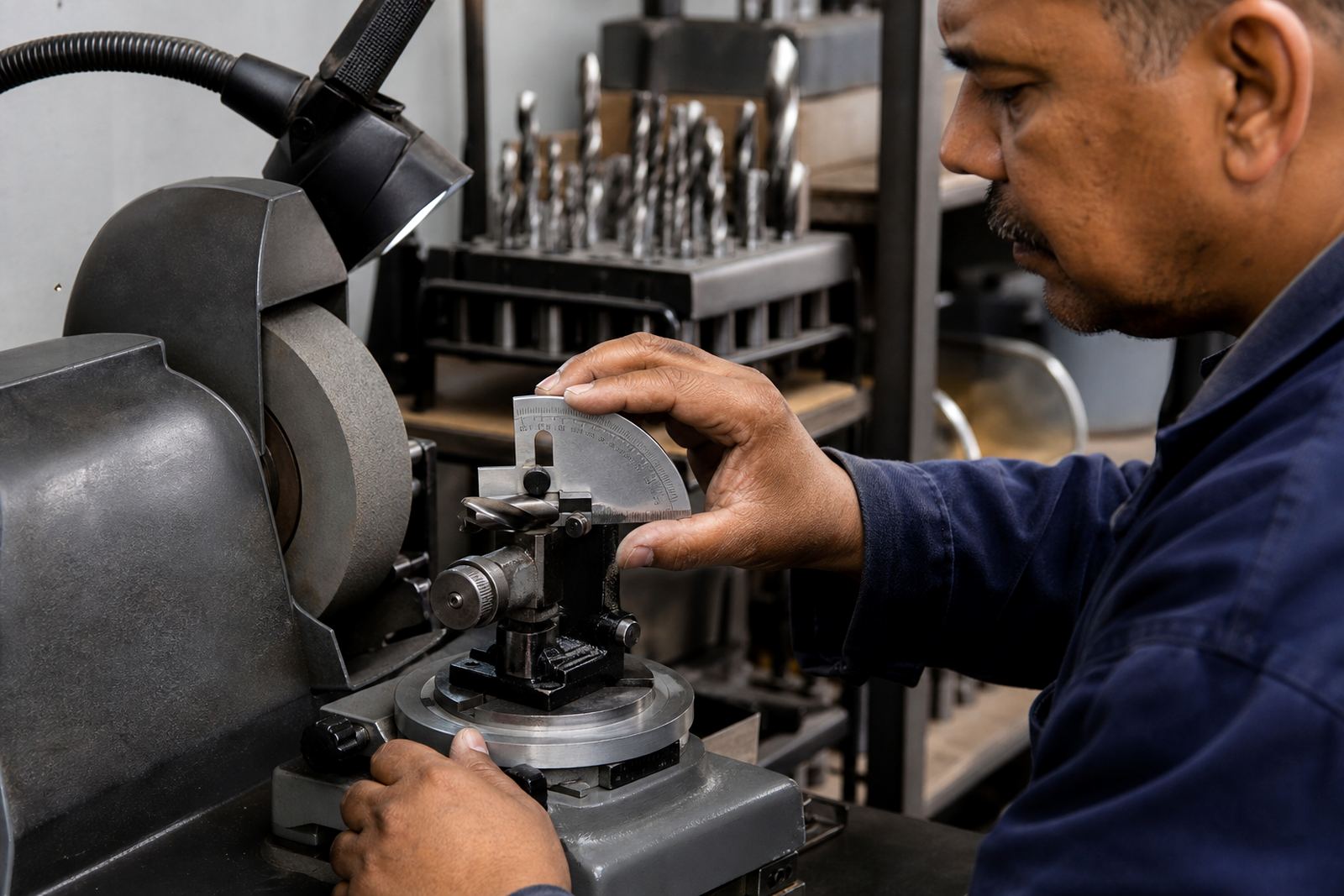
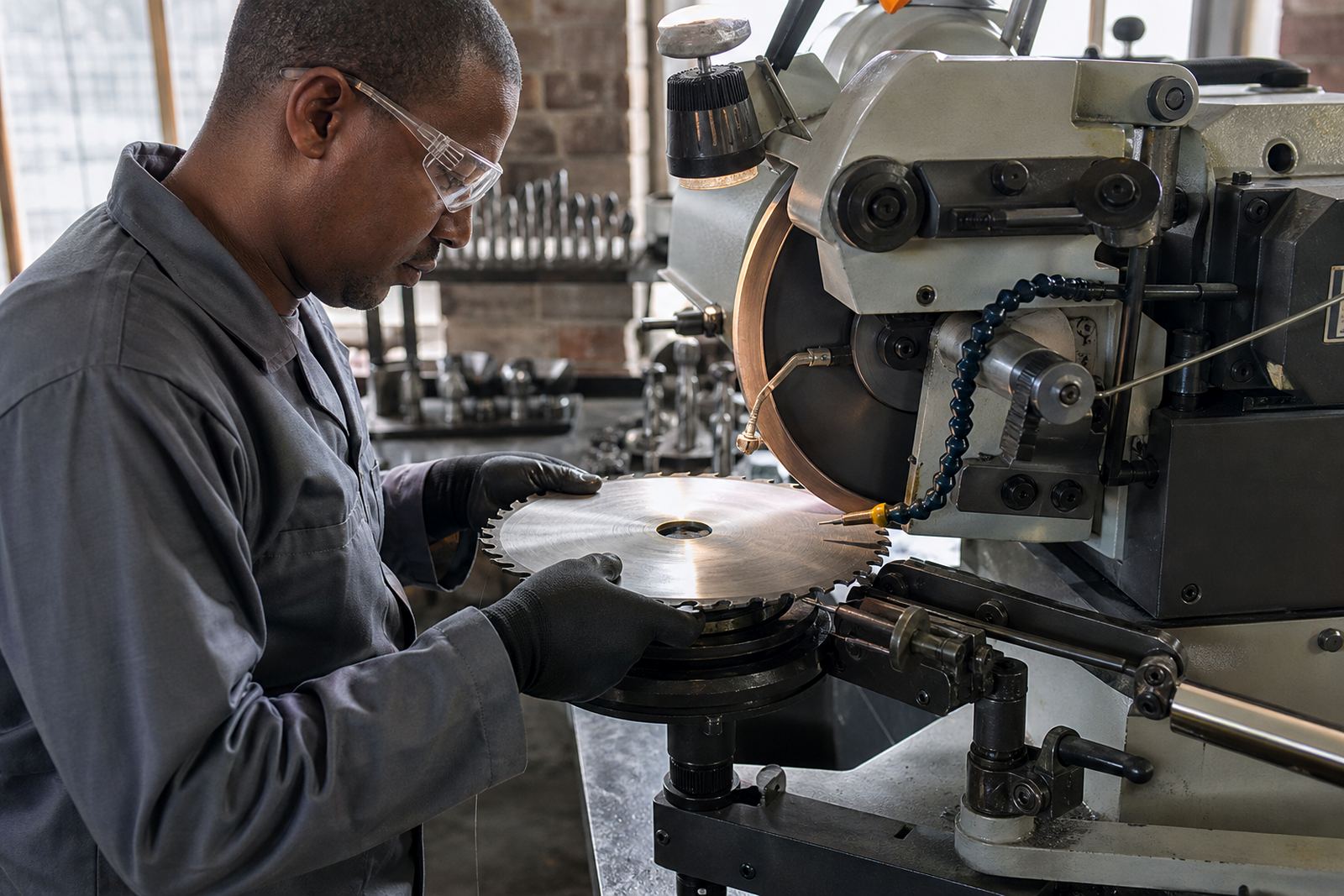
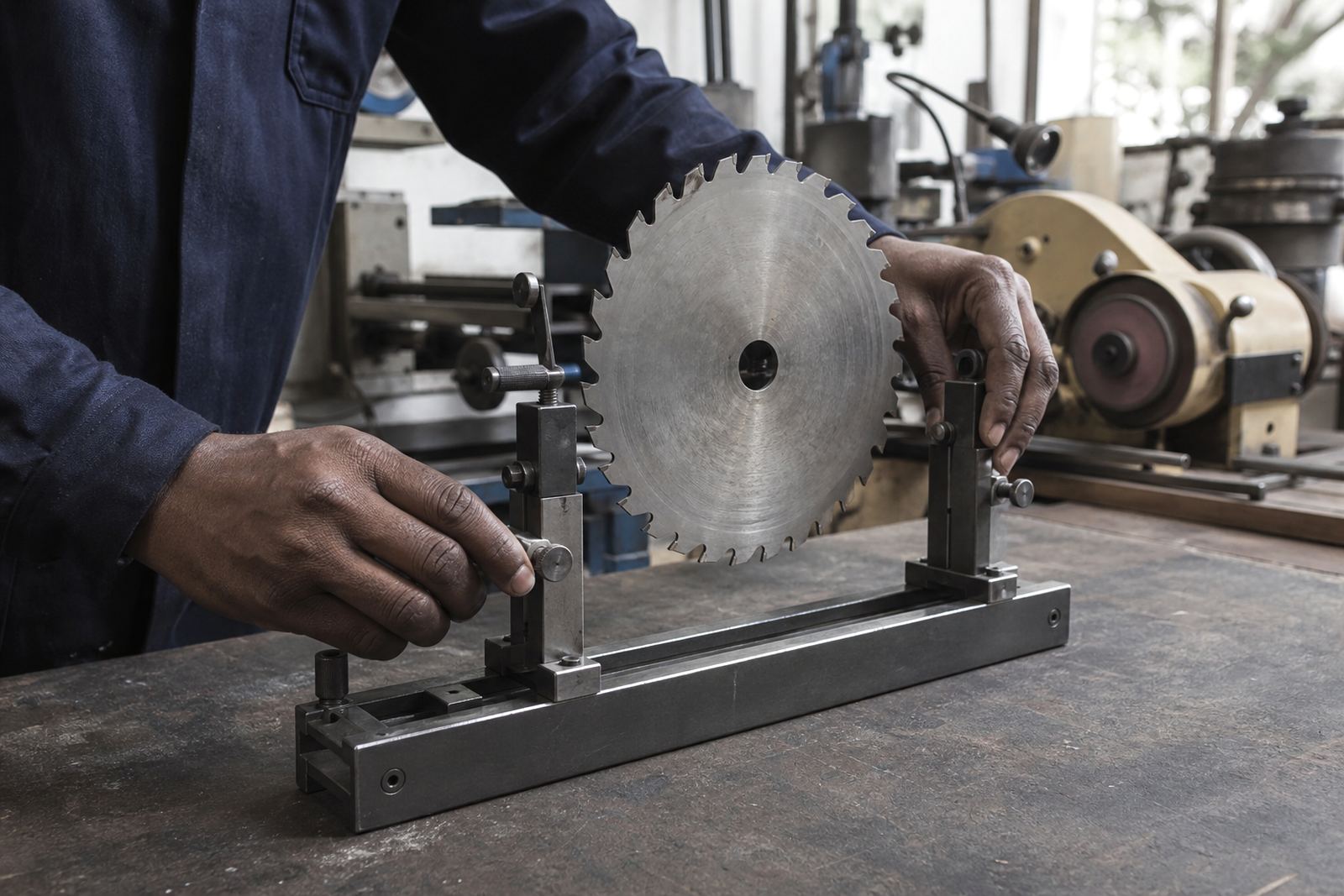
Balance checking starts with a visual inspection and measurement of the tool condition after sharpening. We look at the edge profile, tooth spacing, diameter consistency and any signs of uneven stock removal. For cutters that have had chipped edge recovery, angle resetting or burn mark removal, we pay close attention to how the ground sections line up across the full circumference.
Where needed, we compare the tool against the original geometry and confirm whether the cutter is safe to return to service or whether another light correction is needed. We also flag damage that cannot be corrected with normal regrinding, such as cracked bodies, bent shanks or severe runout. That keeps the decision practical and saves wasted time on the next job.
- Incoming condition check
- Post-sharpening balance review
- Runout and edge consistency assessment
- Clear note if the tool needs further correction
Tools We Commonly Check for Even Running
Balance checking is useful for a wide range of cutting tools, but it is especially important where speed and finish matter. Router bits can chatter if one side carries more load than the other. Saw blades can leave wavy cuts if tooth geometry is not consistent. Drills can wander or vibrate if the grinding is uneven, particularly on repeated batch work.
We support clients across Pinetown, Westville, Durban, Pietermaritzburg, Pretoria, Cape Town and Johannesburg through counter drop-off and courier collection. Small workshop users and larger trade clients both use this service when they want confidence that the tool will cut cleanly without causing unnecessary machine stress.
- Saw blades for timber and general workshop cutting
- Twist drills and other drill points that need stable rotation
- Router bits used for edge work, grooves and profiling
- Batch jobs where several tools must perform the same way
Turnaround Times and What Affects Them
Most balance checks are completed as part of the sharpening and regrinding process, so the turnaround depends on the size of the batch and the condition of the tools. Single items can often move quickly, while mixed batches with diameter correction, top grinding or chipped edge recovery may take longer. Courier collections are arranged from our Pinetown base, and timing also depends on where the tools are coming from and how they are packed.
For standard work, we aim to keep the process efficient so that clients are not waiting longer than necessary. If a tool needs extra correction to bring it back into usable condition, we will advise that upfront. During peak periods or after public holidays, allowing a little extra time is sensible, especially for customers sending tools from Cape Town or Gauteng.
Pricing Approach for Balance Checking
Pricing is based on the tool type, size, condition and whether balance checking is done on its own or together with sharpening and regrinding. A lightly used saw blade is quicker to assess than a damaged cutter with multiple chipped teeth or heavy burn marks. We quote according to actual work needed, which keeps the pricing fair for both one-off jobs and regular workshop batches.
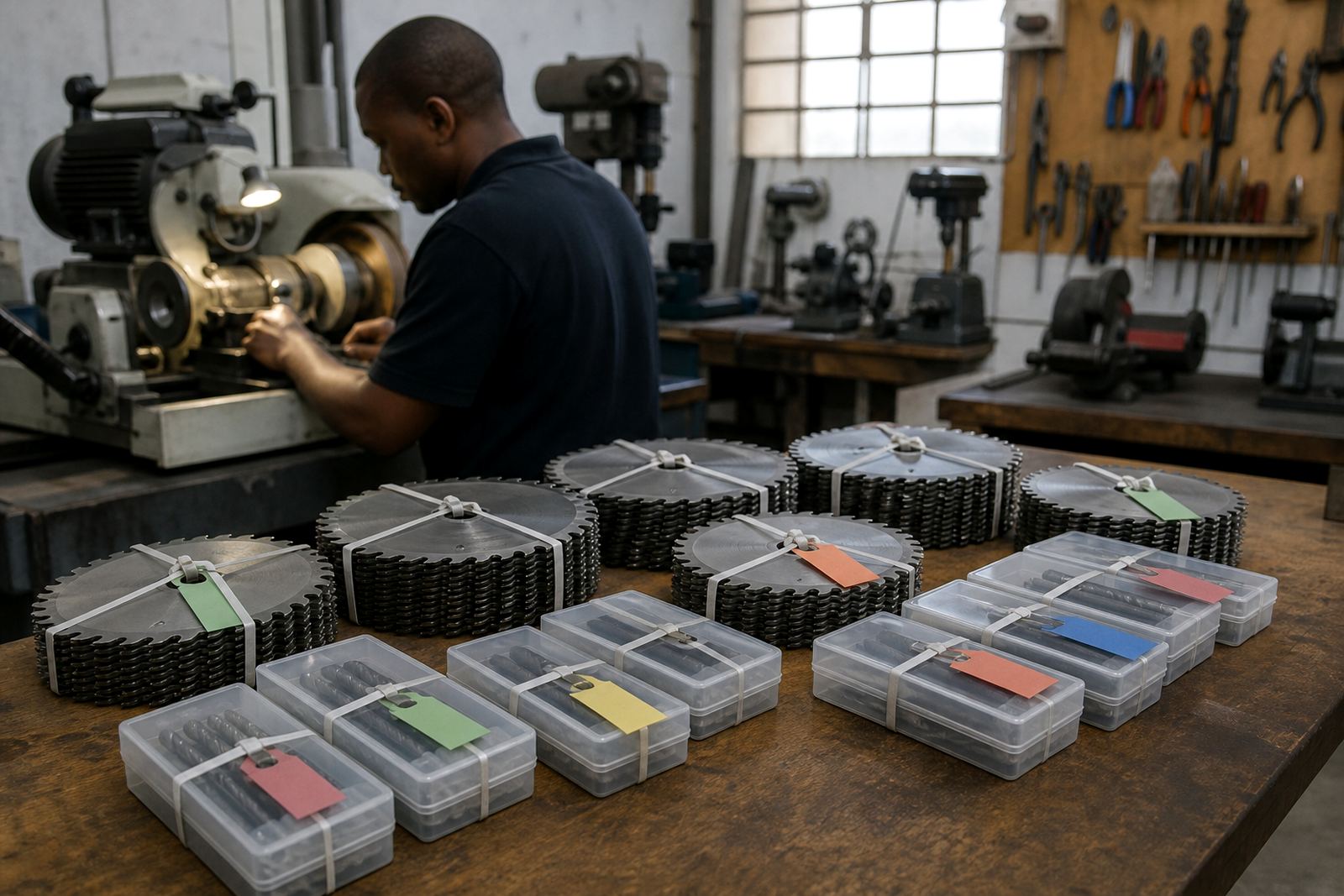
For trade clients, batch tool tagging helps us keep each item identified through the process, so that the right cutter comes back with the right notes. That also helps when multiple blades or bits arrive together from the same site. If you are sending tools in from Durban, Pretoria or Cape Town, we can group collection and assessment to reduce handling time and keep the job organised.
- Quoted according to tool type and condition
- Different pricing for standalone checks and full regrinding jobs
- Batch work can be priced per set or per item
- Special correction work is quoted after inspection
Keeping Tools in Balance Between Services
Even a well-checked cutter will drift over time if it is pushed too hard or stored badly. The right service interval depends on how often the tool is used, the material being cut and the machine setup. In busy shops, balance checking is often paired with regular sharpening after a set number of cuts or when the finish starts to change. For light workshop use, a seasonal check may be enough.
Store cutters dry, away from concrete floors and damp corners, especially near the coast where rust can start quickly. Avoid forcing a tool through overloaded cuts, because that is when imbalance, overheating and edge damage tend to build up. If your workshop runs through load-shedding periods, restarting machines after power cuts should be done carefully, since sudden load changes can show up weaknesses that were already there.
- Check after major sharpening or regrinding jobs
- Review tools that start to vibrate or cut unevenly
- Inspect more often for high-use trade work
- Keep tools dry and properly packed between jobs
Key facts
| Service focus | Even material removal and stable cutter operation after sharpening |
|---|---|
| Tools handled | Saws, drills and router bits |
| Workshop base | Pinetown, KwaZulu-Natal |
| Collection areas | Durban, Pietermaritzburg, Johannesburg, Pretoria, Cape Town, Westville, Hillcrest |
| Process markers | Incoming check, post-sharpening review, runout and geometry assessment |
| Request method | Enquiry form on our contact page |