What angle resetting fixes
Angle resetting is used when the cutting face or relief on a tool has moved out of spec through wear, repeated sharpening, heat build-up or poor previous regrinding. Once that geometry drifts, the tool may cut slower, leave a rough finish, burn timber or grab material instead of feeding cleanly. In some cases the issue is not the edge itself, but the angle behind the edge and that is where this service makes the difference.
We carry out angle correction on saw blades, drill bits and router bits for hobby workshops, joiners, cabinet makers, maintenance teams and production users across KwaZulu-Natal and further afield. The work is done in Pinetown with courier collection available from Durban, Pietermaritzburg, Johannesburg, Pretoria and Cape Town. If a tool is still structurally sound but the geometry has gone off, resetting the angle can put it back into proper working order without replacing the whole tool.
Tools we reset and the angles we check
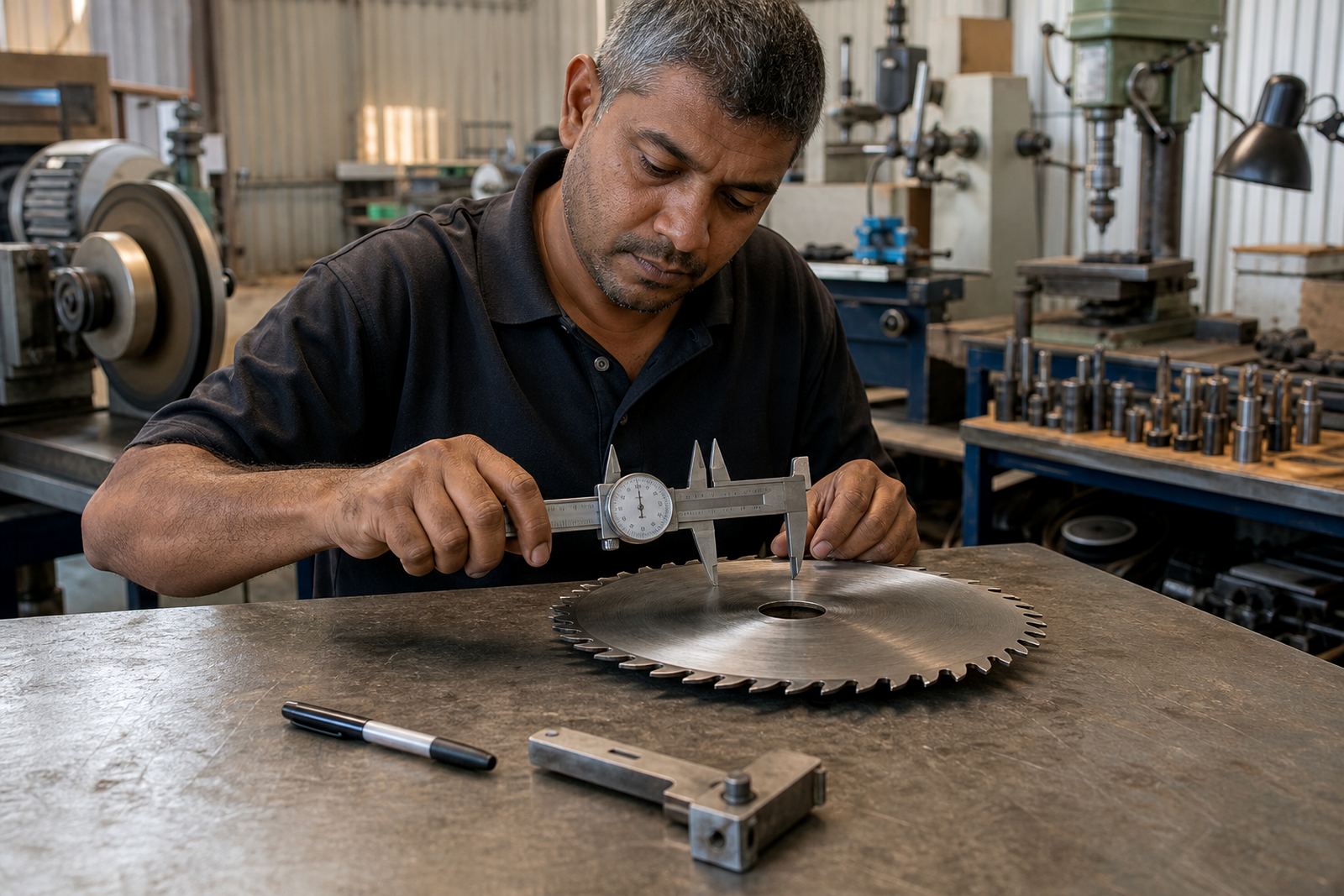
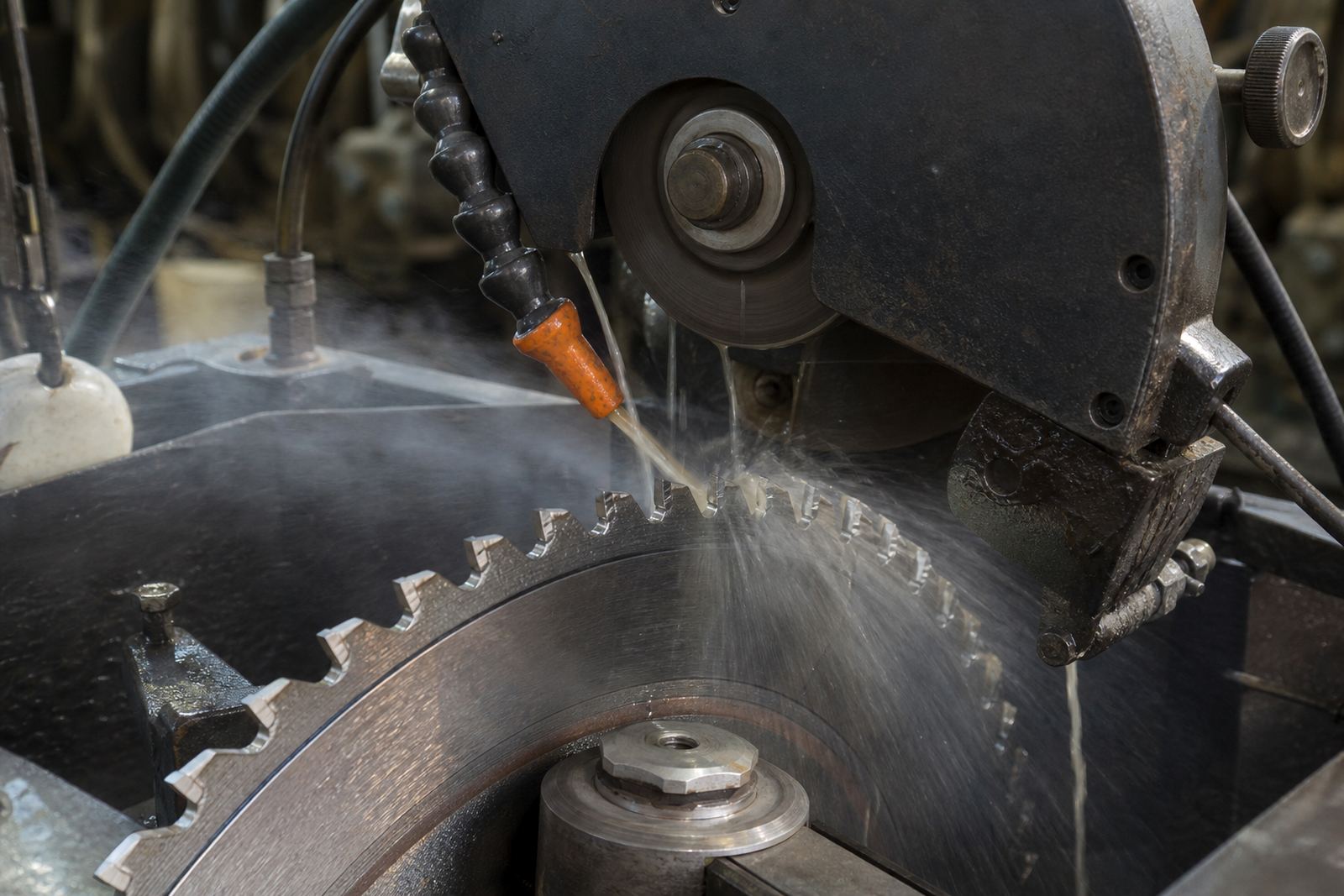
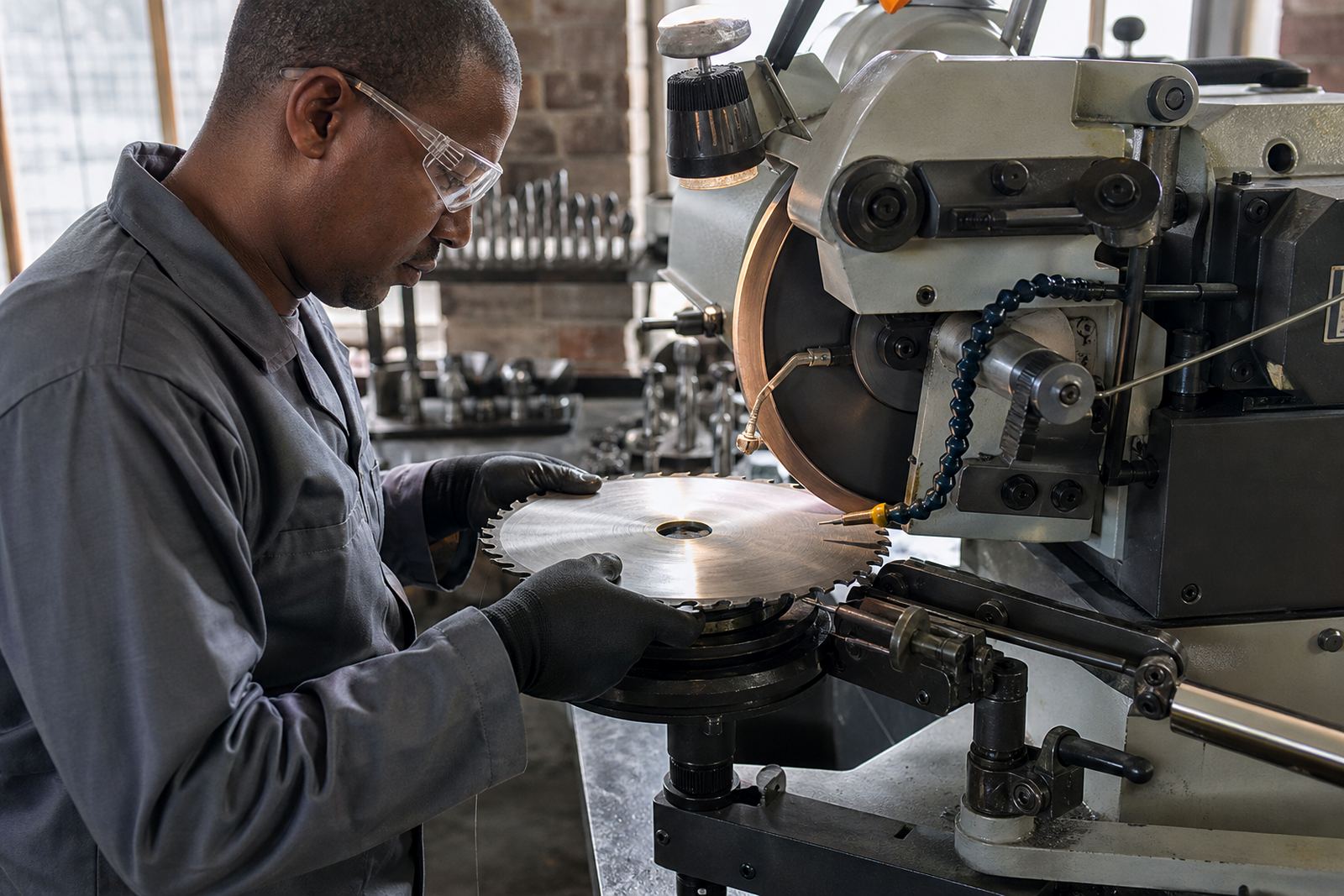
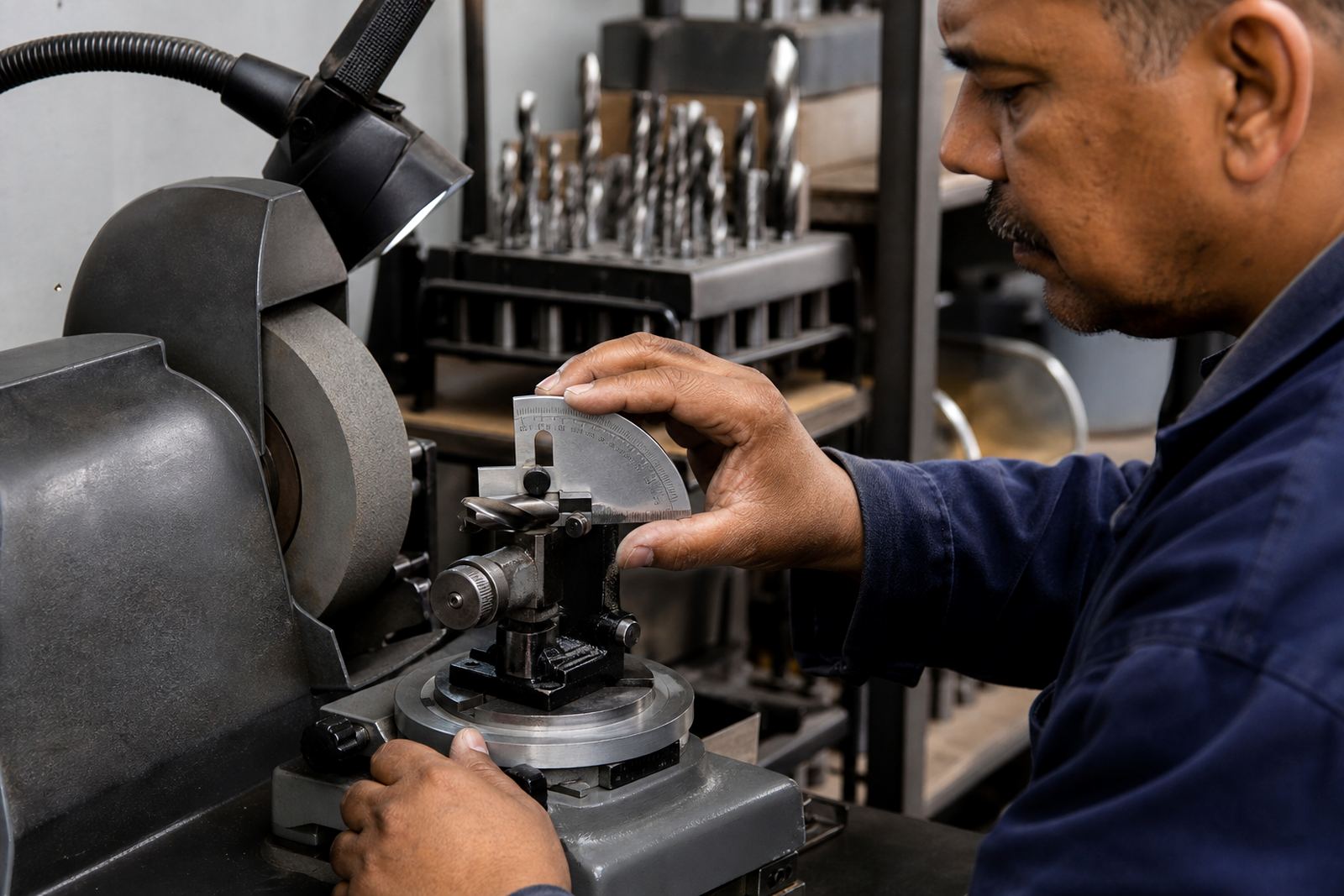
Different tools need different geometry. A general sharpen may improve the edge, but if the relief, hook or rake angle is wrong the tool will still perform badly. We inspect the cutting face, set-up angle and overall balance before deciding what needs correction. On saws, that often includes tooth face and top face angles. On drills, it can involve point angle and lip symmetry. On router bits, we check the cutter face and relief so the bit tracks properly and clears material cleanly.
- Saw blades with poor cut quality, scorching or uneven tooth wear
- Drill bits that wander, chatter or leave oversized holes
- Router bits that burn edges or pull unevenly through timber
- Tools that have been sharpened several times and lost their original geometry
- Batch sets where one tool is noticeably different from the rest
If a tool is too far gone for angle correction alone, we will say so before proceeding. That saves time and avoids paying for work that will not hold up on the machine.
How the process works from intake to final check
Once your tools arrive, either by courier collection or direct drop-off in Pinetown, we log them and tag the batch so nothing gets mixed up. Nokuthula handles courier collections, while the workshop team checks the condition of each item before work begins. We look at the original cutting geometry, tooth wear, burn marks, chipped edges and any signs of previous grinding that may have shifted the angles unevenly.
Thabo and Johan then reset the angle using controlled grinding and measuring methods suited to the tool type. After that we check the edge alignment, the symmetry of the cutting faces and the consistency across the batch. If a blade or bit needs further correction for balance or diameter, we will combine that with the angle reset where it makes sense. Ayesha manages the workflow so turnaround stays predictable, even when several jobs come in at once.
- Receive and tag the batch
- Inspect wear, burn and geometry drift
- Reset the cutting angle to the required spec
- Check alignment, balance and finish
- Prepare for collection or courier return
Typical turnaround and what affects it
Turnaround depends on the tool type, the size of the batch and how far the angles have drifted. Simple correction jobs may be completed quickly, while mixed batches with damaged teeth or multiple geometry issues take longer. We work on practical lead times, not guesswork, and we will let you know if a job needs extra attention before it goes ahead.
For local customers in Pinetown, Westville, Hillcrest and Durban, drop-off can speed things up. Courier work from Johannesburg, Pretoria, Cape Town and Pietermaritzburg is handled in batches, so the total time includes transit in and out as well as the workshop time. If your operation is affected by load-shedding or a tight production schedule, tell us when booking and we will advise the best dispatch window. The aim is to get tools back in use without rushing the geometry.
We also handle repeat workshop sets, which helps keep matching tools consistent from batch to batch. That matters when one off angle error can change the finish on a full run of parts.
Pricing is based on geometry, not guesswork
Angle resetting is priced according to tool type, size, condition and the amount of correction required. A lightly worn saw blade with minor drift will usually cost less than a badly overheated drill batch or a router set with damaged cutter faces. We do not use one flat charge for every tool because the work is not the same from job to job.
For larger workshop orders, pricing is often better on a batch basis, especially where several tools need the same type of correction. If a job includes related services such as burn mark removal, chipped edge recovery, tooth face grinding or balance checking, we quote the work together so you can see the full cost before approval. That makes budgeting easier for small shops and production users alike.
We can also advise whether a tool is worth resetting, or whether replacement is the more economical option. In some cases a tool that looks rough is still salvageable, while in others the steel has been taken down too far and further grinding would shorten its working life too much.
When to book angle resetting again
There is no fixed calendar interval for every tool, because use, material type and machine setup all change the wear pattern. As a working guide, book angle resetting when you notice burning, rough finish, slower feed, increased chatter or holes and cuts that no longer match the original size. In humid coastal areas like Durban and surrounding parts of KwaZulu-Natal, storage conditions can also affect tool condition, especially if tools are left unprotected after use.
For many workshops, the right habit is to inspect tools before a new production run rather than waiting for visible damage. That is especially useful where the same blade or bit is used on hardwood, laminated board or abrasive material. Regular rechecking helps avoid unnecessary strain on the machine and can reduce waste in the first pass. If you need help setting up a maintenance routine, Lerato can advise on training and starter kits for basic tool care.
- Check edge quality before each new batch of work
- Send tools for correction when cut quality starts dropping
- Keep spare sets tagged so worn geometry does not stay in rotation
- Use proper storage to reduce rust and edge damage
Why workshops choose our Pinetown base
CutTool Sharpening is based in Pinetown, KwaZulu-Natal and works with customers across South Africa who need accurate tool geometry and reliable handling. Sibusiso Mthethwa oversees the business, with Ayesha Naidoo managing operations and the workshop team handling the technical side. That means your tools are checked by people who deal with these problems every day, not just when a blade looks blunt.
Whether you are a hobbyist in Westville or a production workshop in Pretoria, the same practical approach applies: assess the tool, reset the angle, confirm the finish and return it ready for work. If you are unsure whether a tool needs sharpening or full angle correction, send it in with a note on the problem. We will inspect it and advise the best next step.
Key facts
| Service type | Angle resetting for saws, drills and router bits |
|---|---|
| Base | Pinetown, KwaZulu-Natal |
| Collection areas | Durban, Pietermaritzburg, Johannesburg, Pretoria, Cape Town, Westville, Hillcrest |
| Batch handling | Individual tools or grouped workshop batches |
| Related checks | Tooth face grinding, top grinding, balance checking, burn mark removal |
| Booking method | Enquiry form on the contact page |