Measured correction for tools that have gone off size
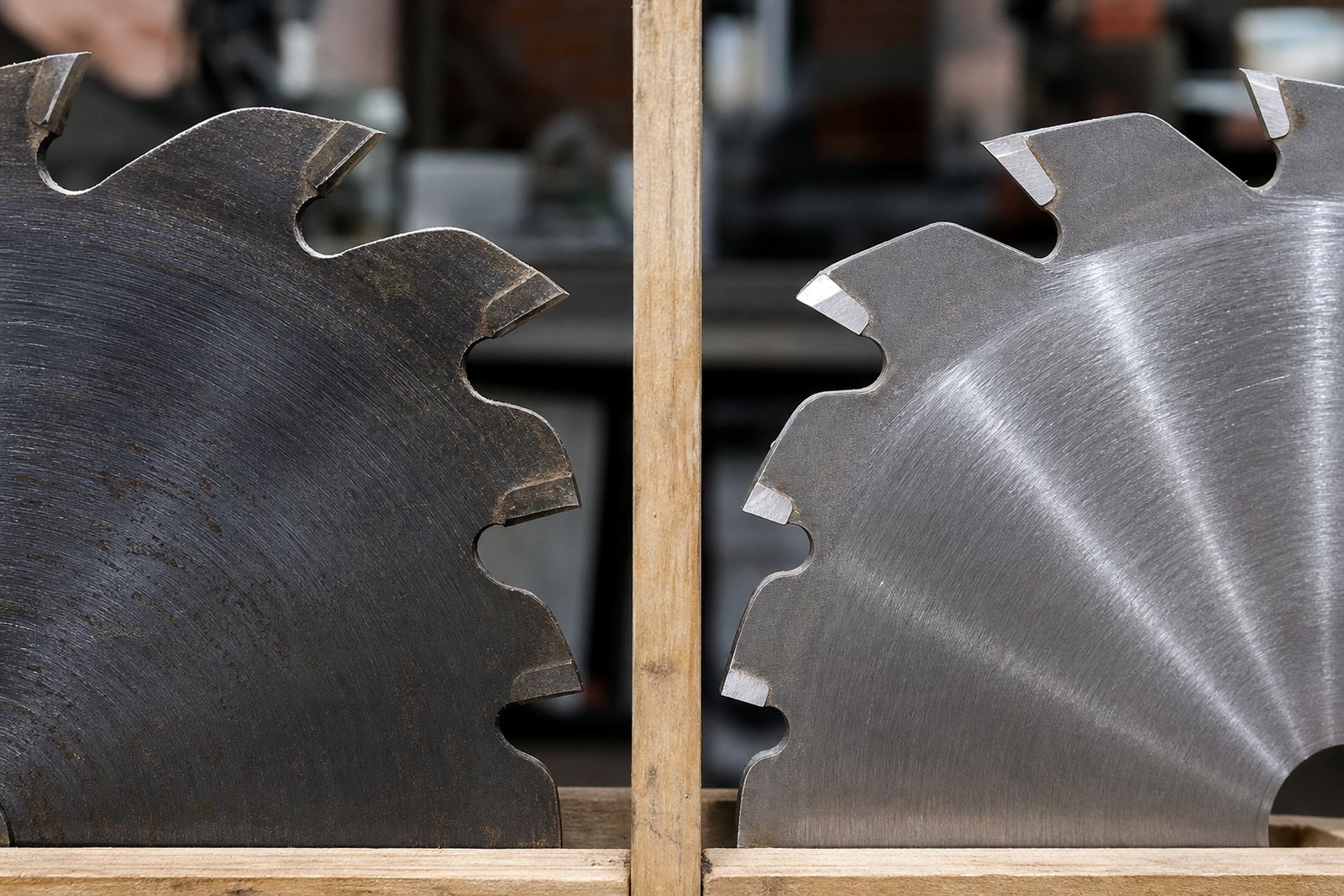
Diameter correction is used when a cutter is no longer the size it should be after wear, previous grinding or damage at the cutting edge. We remove material in a controlled way so the tool stays balanced and remains suitable for the job, instead of forcing it back into service with an uneven edge.
This matters on saw blades, drills and router bits that must fit guides, jigs, arbors or machine settings without rubbing or overcutting. In a busy workshop a few tenths of a millimetre can affect fit and finish, especially on repetitive work where every pass must behave the same.
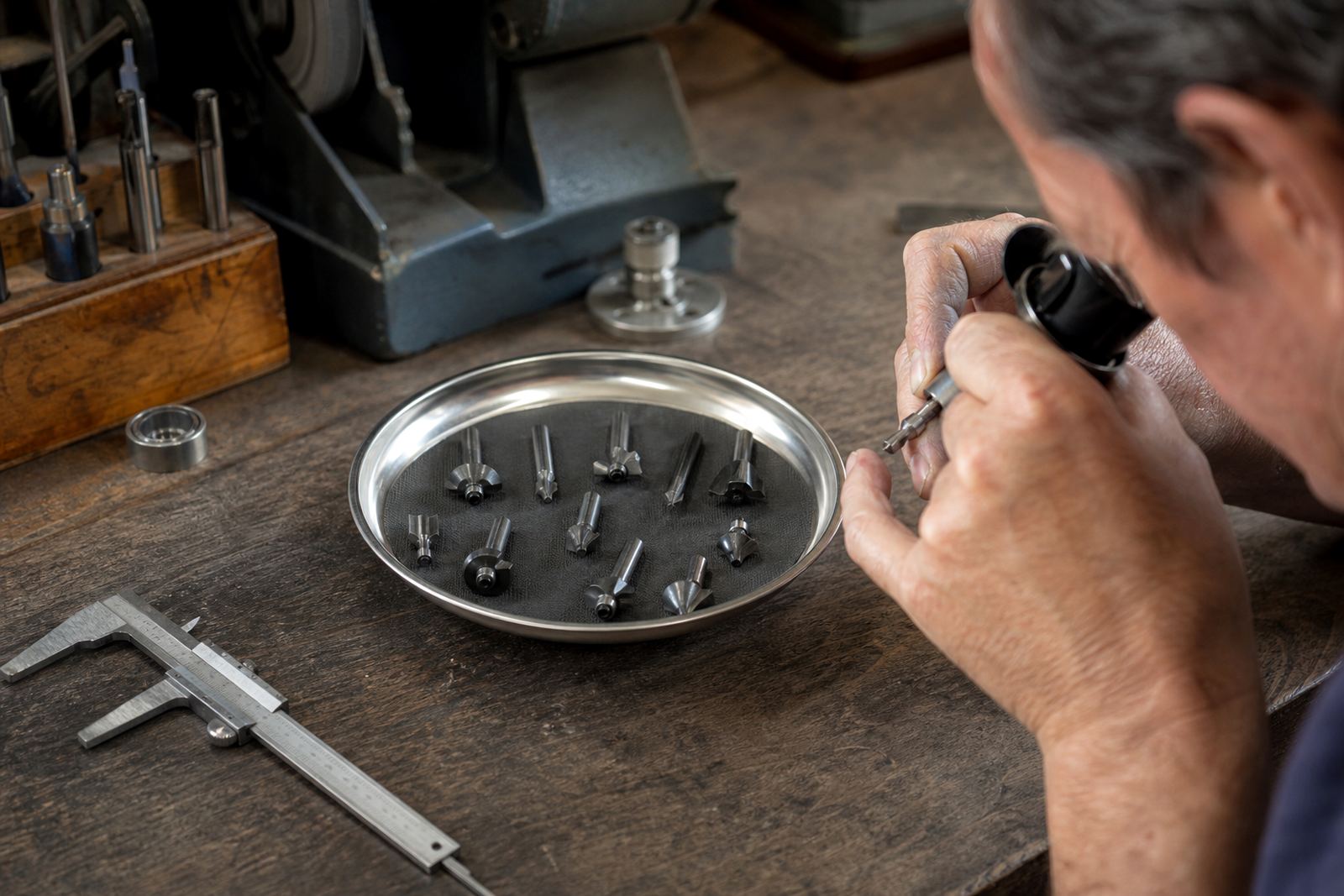
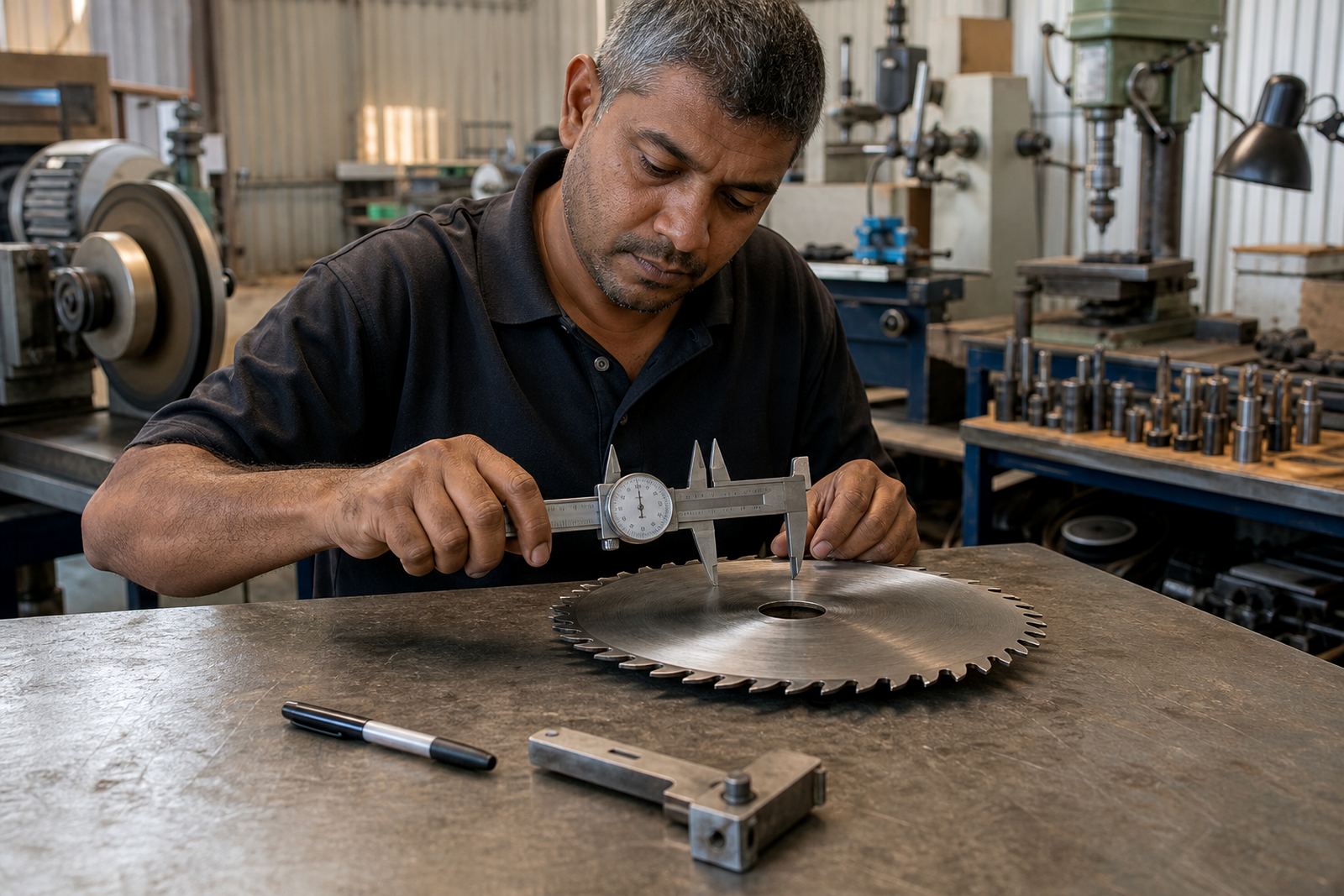
Our Pinetown team checks the tool against its current condition and the intended use before any grinding starts. That helps us decide how much can be corrected and whether the cutter should be brought back gradually or set aside if the wear is too far gone.
What the service includes in our workshop
We handle diameter correction as part of a full inspection, not as a quick skim. Each item is checked for wobble, uneven wear, chipped edges, heat marking and any damage that may affect the final result. If needed we also flag related work such as tooth face grinding, top grinding or burn mark removal.
- Assessment of existing diameter and wear pattern
- Controlled grinding to bring the cutter back into practical range
- Balance checking after material removal
- Edge inspection for chips, cracks or heat damage
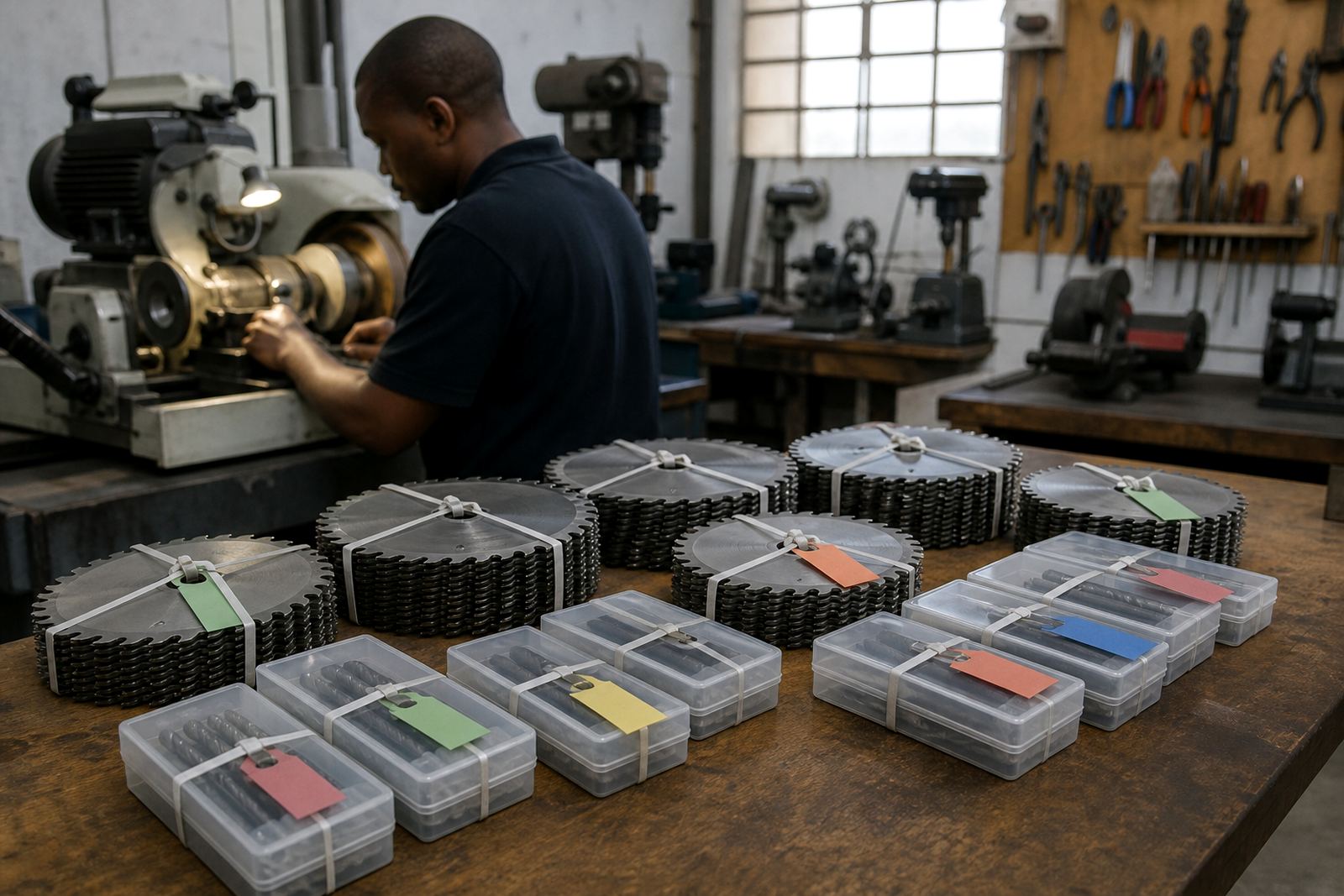
- Batch tool tagging for repeated jobs and mixed deliveries
- Advice on whether further sharpening is needed after correction
For customers in Durban, Westville and Hillcrest, and for courier jobs from Johannesburg, Pretoria or Cape Town, we keep the job notes clear so each batch is tracked from collection to return. That helps when you send mixed sizes or repeat orders from the same machine line.
How the correction process works step by step
Our process starts when the tools arrive at the workshop or are collected by courier. We inspect the batch, record the condition of each item and confirm which pieces can be corrected safely. If a cutter is too far below working size, we will say so before any grinding is carried out.
- Receive tools and log the batch
- Measure current diameter and compare against practical working limits
- Mark the correction path for each cutter
- Grind in controlled passes to maintain balance
- Recheck size, runout and edge condition
- Pack for return and confirm collection or dispatch
For customers who have had problems with vibration or poor finish, we can also look at the relation between diameter and the way the tool feeds through the material. A corrected cutter should not only be smaller or truer, it should work properly in the machine too.
Typical turnaround and when urgent jobs make sense
Turnaround depends on the number of tools in the batch, the amount of correction required and whether the cutters need extra work after inspection. Smaller jobs can often be turned around quickly, while larger batches from production shops in Pinetown, Pietermaritzburg or Johannesburg need a little more time for sorting and checking.
Where a machine has stopped because a tool is out of spec, we do our best to prioritise the job and keep you informed. That said, diameter correction is measured work, not a rush job, because taking off too much material can shorten tool life and cause poor cut quality later.
- Single items: usually quicker to process when no extra damage is found
- Small workshop batches: commonly handled within a short working cycle
- Mixed courier loads: allow extra time for sorting and testing
- Urgent production work: subject to workshop capacity and inspection results
Pricing that follows the actual condition of the tool
We price diameter correction according to the condition of the cutter, the amount of grinding required and whether it needs balancing or linked sharpening work. A lightly worn tool costs less to correct than one that has been badly handled or already ground unevenly.
For that reason we do not quote one flat figure for every item. The practical approach is to inspect the batch first, then price according to the measured work involved. That keeps things fair for hobby users and for trade customers who send regular batches through our Pinetown base.
If you are sending tools from coastal areas such as Durban, we also consider the condition caused by humidity, surface rust or storage damage. These issues can affect the amount of preparation needed before correction begins, and sometimes a small amount of clean-up is needed as well.
Keeping cutters in range after correction
Once a cutter has been corrected, it should be monitored more closely than a new tool. Regrinding over time naturally reduces diameter, so the best maintenance interval depends on use, material type and how hard the tool is worked. A weekly hobby user will not need the same schedule as a cabinet shop or machine room running daily.
As a practical guide, tools that are used often should be checked whenever cutting quality changes, rather than waiting for a failure. If you start seeing burn marks, wandering cuts, vibration or a rough finish, the tool may already be drifting out of range. Catching it early usually means less material removal and a longer working life.
- Check cutters after any visible chipping or impact
- Inspect before major production runs
- Keep tools dry and clean to limit rust and pitch build-up
- Store cutters in labelled trays or sleeves to avoid edge damage
For customers who collect through our courier service, we can tag batches so repeat corrections are easier to track. That makes it simpler to plan your next service before the tool reaches its limit.
Who this service suits across KwaZulu-Natal and beyond
Diameter correction suits woodworkers, joiners, cabinet makers, maintenance teams and serious hobbyists who need cutters to stay true after repeated use. We work from Pinetown and support customers across Durban, Hillcrest, Westville, Pietermaritzburg, Johannesburg, Pretoria and Cape Town through courier collection.
Whether you are sending a few router bits or a mixed batch of saw blades and drills, the aim is the same: practical correction, balanced performance and a cutter that is fit for use again. Sibusiso Mthethwa and the team keep the work measured and honest, with attention to what the tool can still do safely.
If your cutter is still within range, we will correct it. If it is not, we will tell you before any extra material is lost. That simple approach saves time, money and another round of avoidable wear.
Key facts
| Service type | Measured diameter correction for saws, drills and router bits |
|---|---|
| Workshop base | Pinetown, KwaZulu-Natal |
| Collection areas | Durban, Westville, Hillcrest, Pietermaritzburg, Johannesburg, Pretoria, Cape Town |
| Typical tool formats | Circular saw blades, drill bits, router bits and related cutting tools |
| Control checks | Diameter measurement, balance checking, edge inspection and runout review |
| Pricing basis | Condition of the tool, amount of grinding and any extra regrinding required |