What top grinding does to cutting performance
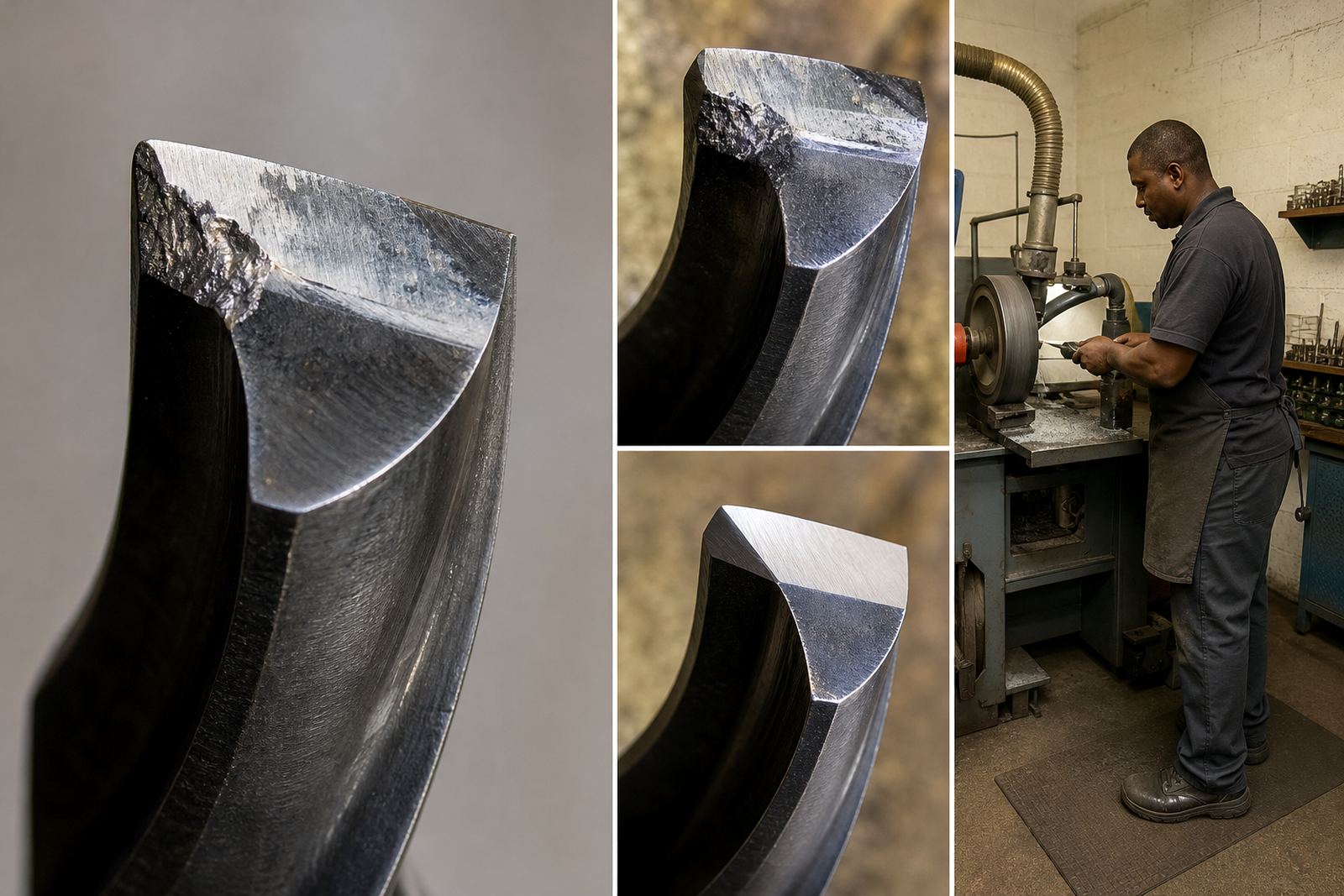
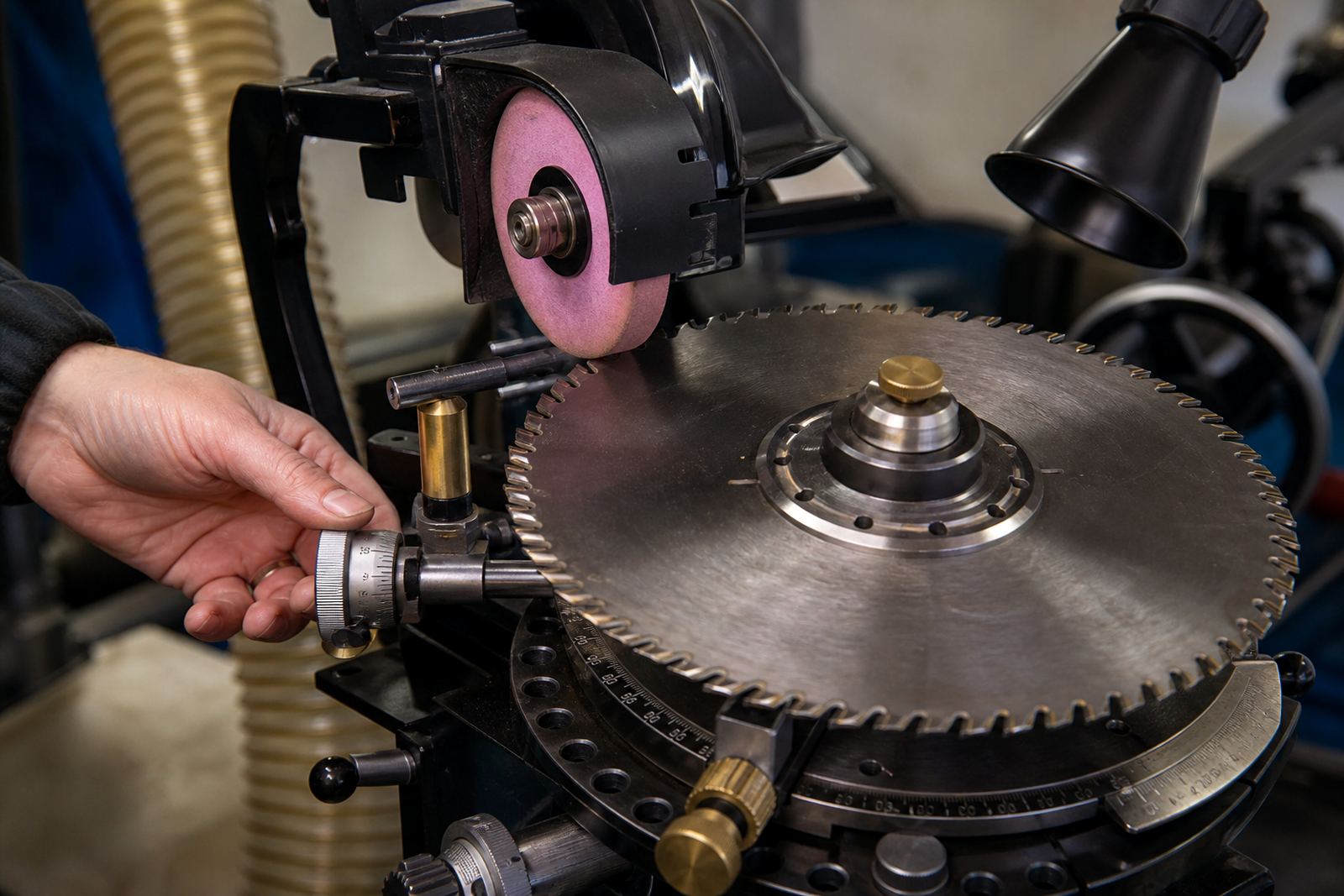
Top grinding removes a controlled amount of material from the top face of each tooth so the blade, bit or cutter regains even tooth height and proper geometry. When the teeth are uneven, the cut can wander, burn, chatter or leave a rough finish. Top grinding is used to correct this and get the tool cutting square again.
We work on saw blades used in woodwork, plastics and light non-ferrous work, plus selected router bits and cutters that need consistent tooth shape. For many tools the process supports better chip clearance too, which helps reduce heat build-up, especially on coastal jobs where humidity and resin can affect cutting behaviour.
- Restores equal tooth height across the set
- Improves finish quality and cut accuracy
- Helps reduce burn marks and vibration
- Suitable for workshop tools used daily or seasonally
Tools we top grind and the sizes we handle
Our workshop in Pinetown handles common trade and hobby tools, from small diameter blades to larger site and workshop stock. If a tool has enough material left for safe correction, top grinding can often extend its service life and bring the cutting edge back into line.
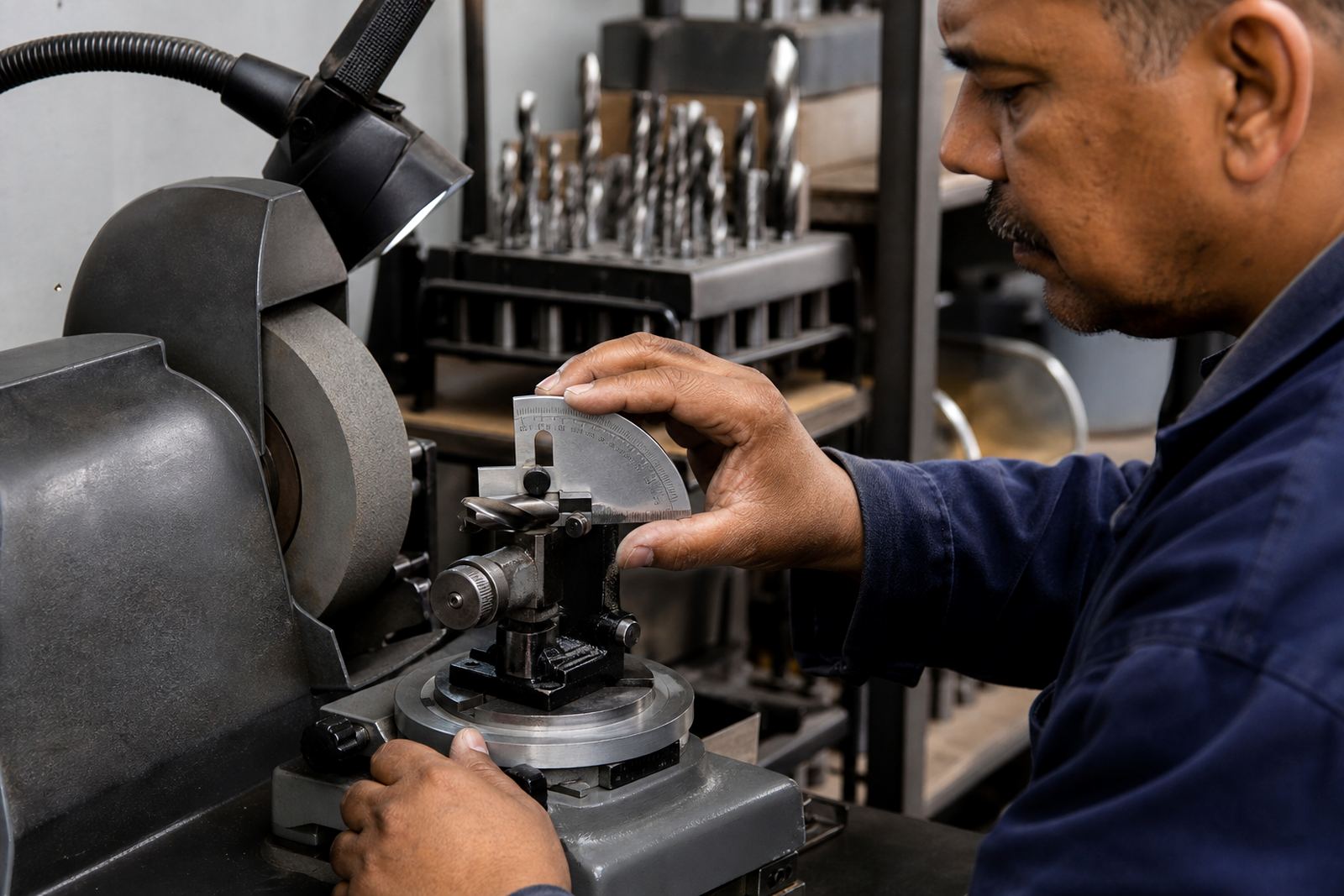
Typical items include circular saw blades, panel saw blades, thin kerf blades, selected router bits and profile cutters. We also assess whether the tool needs tooth face grinding, diameter correction, angle resetting or balance checking at the same time, rather than doing one operation and leaving the rest unresolved.
- Circular saw blades from small workshop sizes up to larger trade diameters
- Router bits with worn tops or dull cutting profiles
- Combination sets, batch jobs and mixed tool packs
- Tools affected by resin, minor chipping or uneven wear
For smaller hobby tools, we can often keep the job within a practical cost range. For larger blades used by cabinetmakers, joiners and production teams, we give a clear view of whether the tool is worth regrinding or should be replaced. That saves time and helps avoid paying to rescue a tool that is too far gone.
Our top grinding process from intake to final check
Every job starts with inspection. We check tooth condition, set, runout, body flatness and any visible heat damage or chipped edges. From there we decide how much top material needs to come off and whether the tool needs related work to finish properly.
The process is careful and measured. We do not take off more than needed, because unnecessary reduction shortens tool life. Once the grinding is done, we inspect tooth uniformity and check the cutting face for consistency before the tool is released for collection or courier return.
- Intake and tool identification
- Inspection of wear, damage and tooth height
- Top grinding to restore equal geometry
- Final check for finish, balance and fit-for-use condition
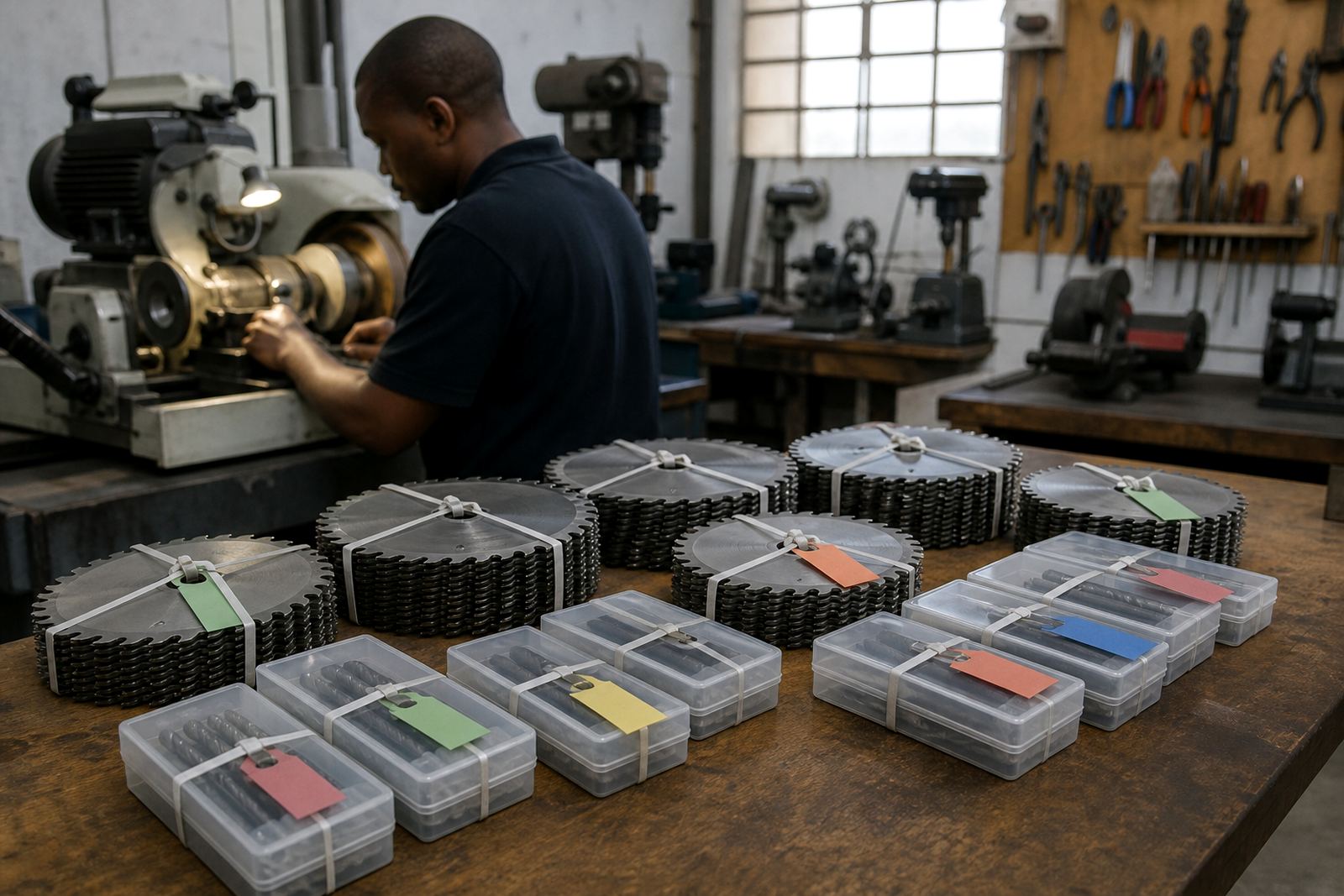
Clients using our courier collection service can book jobs from Durban, Pietermaritzburg, Johannesburg, Pretoria, Cape Town and surrounding areas including Westville and Hillcrest. We tag batch tools so mixed packs are not confused, which matters when a workshop sends several sizes in one box. It keeps the handover tidy, and it cuts down on mistakes.
Turnaround times for workshop and courier jobs
Turnaround depends on quantity, condition and whether the job needs one service or several. A single item in good condition may be completed quickly, while a batch from a busy workshop can take longer if it includes chipped teeth, angle correction or burn mark removal.
For planning purposes, we separate straightforward top grinding from mixed-service work. That helps clients schedule production, blade changes and maintenance downtime. If you are running a small shop in Pinetown or a production floor in Johannesburg, timing matters because a missing blade can hold up the whole job list.
- Single tools in fair condition: often same day or next working day
- Batch jobs: usually quoted after inspection and queued in order
- Courier jobs: allow for collection and return transit time
- Urgent work: handled where workshop loading allows, but not promised blindly
Load-shedding can affect workshop scheduling, so we manage intake and machine time carefully. That means we prefer clear job lists and clean tool packs, because it helps us keep the queue moving even when power windows are short.
Pricing approach and what affects the cost
We price top grinding according to the tool type, size, tooth count, wear level and whether extra corrections are needed. A tool with light wear will cost less than one that needs major correction or combined services such as diameter reduction and angle resetting.
Clients usually get better value when several related services are done in one visit. For example, a blade that is dull, uneven and heat marked may need top grinding plus tooth face grinding and burn mark removal. Doing the full set in one round is often more practical than sending it out twice.
- Tool diameter and tooth count
- Amount of material to be removed
- Condition of the cutting edge and body
- Extra work required for accurate finish quality
We keep the pricing approach straightforward. After inspection, we advise what is needed and whether the tool still has enough life left for a proper regrind. That way clients know where the money goes before the work proceeds, rather than guessing after the fact.
Keeping tools in service longer between top grinds
Top grinding is not only about repair. Good maintenance between services can lengthen the interval before the next regrind. Clean blades cut cooler, store better and keep their geometry for longer, especially in humid areas near the coast where resin and moisture can affect the tool surface.
We advise clients to clean tools after use, store them dry, and avoid forcing a dull blade through timber or board. If the tool starts to leave scorch marks, drift off line or strain the motor, it is usually time for inspection. Waiting too long can turn a manageable top grind into a larger recovery job.
- Clean resin and dust off after use
- Store tools dry and protected from knocks
- Rotate blades on a planned interval instead of waiting for failure
- Book inspection when cut quality starts changing
For busy workshops, maintenance intervals are often set by usage rather than calendar dates. A blade used daily on dense stock may need attention far sooner than one used only on weekends. Our training and starter kits can help teams set a basic routine, so tools stay in good shape and the workshop runs better.
Key facts
| Service type | Top grinding for saw blades, selected drills and router bits |
|---|---|
| Workshop base | Pinetown, KwaZulu-Natal |
| Collection areas | Durban, Pietermaritzburg, Johannesburg, Pretoria, Cape Town, Westville, Hillcrest |
| Typical finish goal | Equal tooth height, cleaner geometry, improved cut quality |
| Turnaround | Depends on condition and batch size, with courier transit added where needed |
| Pricing basis | Tool size, wear level, tooth count and any extra correction work |