Drill Sharpening for Workshop Bits That Need Accurate Cutting
Drill sharpening is not only about making a blunt bit feel sharp again. The point angle, lip balance, centre point and relief all need to work together so the bit starts cleanly and cuts without wandering. When those features are off, you get slow feed, hot chips, burnt material and short tool life.
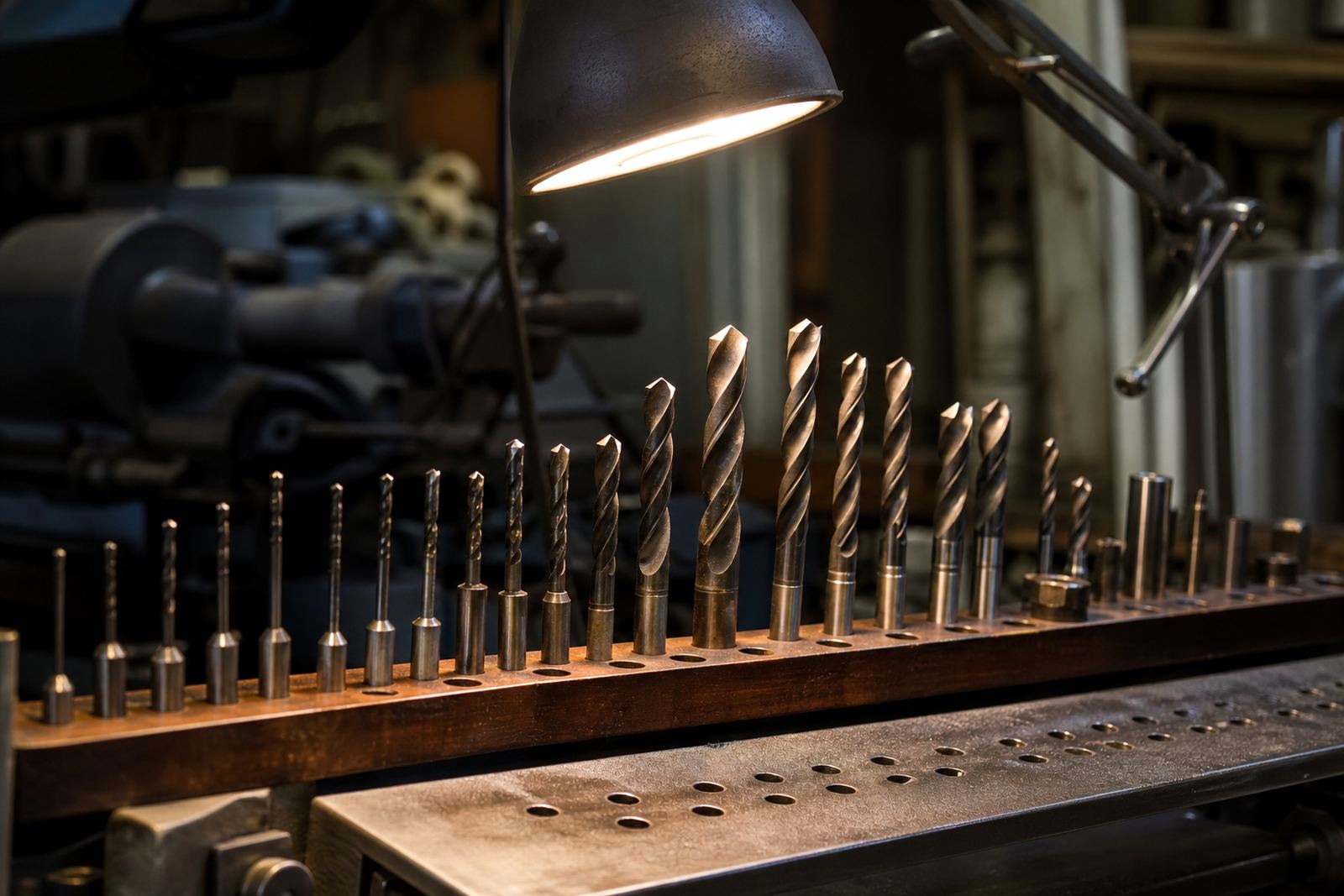
We sharpen and regrind common workshop drill types used in metal, timber and general maintenance work. That includes twist drills, jobber drills, masonry type bits where applicable, and larger workshop drills that have lost their point or picked up chipped edges. If a bit can still be corrected safely, we will bring it back into usable condition rather than leaving you to replace it too soon.
Our workshop in Pinetown handles both trade and home user work. Many clients send in mixed batches after a week of site jobs or machine work, which is useful when a few bits are fine and only a handful need correction. That saves time and helps keep the whole kit working properly.
- Point correction for blunt or uneven drills
- Edge restoration for chipped lips and worn cutting faces
- Regrinding to restore correct cutting geometry
- Suitable for single bits and batch workshop sets
What Is Included in the Service
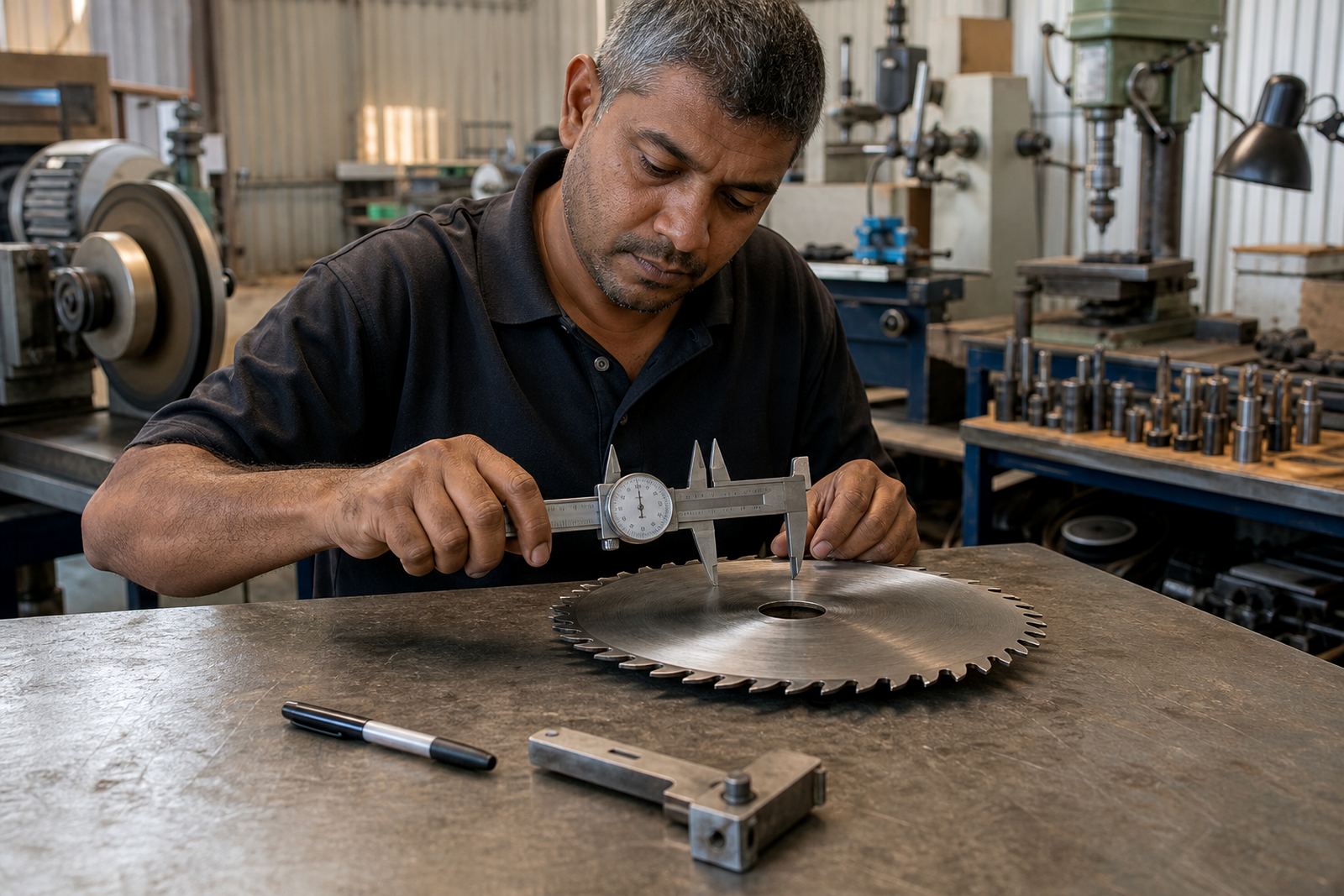
Each drill is checked before any grinding starts. We look at the condition of the cutting lips, the point angle, the web at the centre and whether the bit has signs of heat damage, run-out or previous poor sharpening. This gives a proper view of whether the drill needs a light touch-up or a deeper regrind.
The service can include a number of corrections depending on the condition of the tool. Where necessary, we adjust the point to suit the job, remove chipped material, restore symmetry and tidy up the cutting faces. For larger or frequently used drills, we also check whether the lips are still equal so the bit cuts straight and does not pull to one side.
- Visual inspection and condition check
- Point angle correction
- Lip equalising and edge restoration
- Heat mark and wear assessment
- Batch tool tagging for mixed sets
For customers running maintenance teams or small workshops, batch tagging helps keep track of which bit belongs where. That is especially useful when several similar sizes come in together and you want to return them to the right kit without confusion.
How We Handle Drill Regrinding from Intake to Return
The process starts when your tools arrive at our Pinetown base or through courier collection. Once received, we sort the items, note the count and separate drills that need simple sharpening from those needing deeper regrinding. If a bit is too worn, bent or damaged beyond safe correction, we will flag it before work continues.
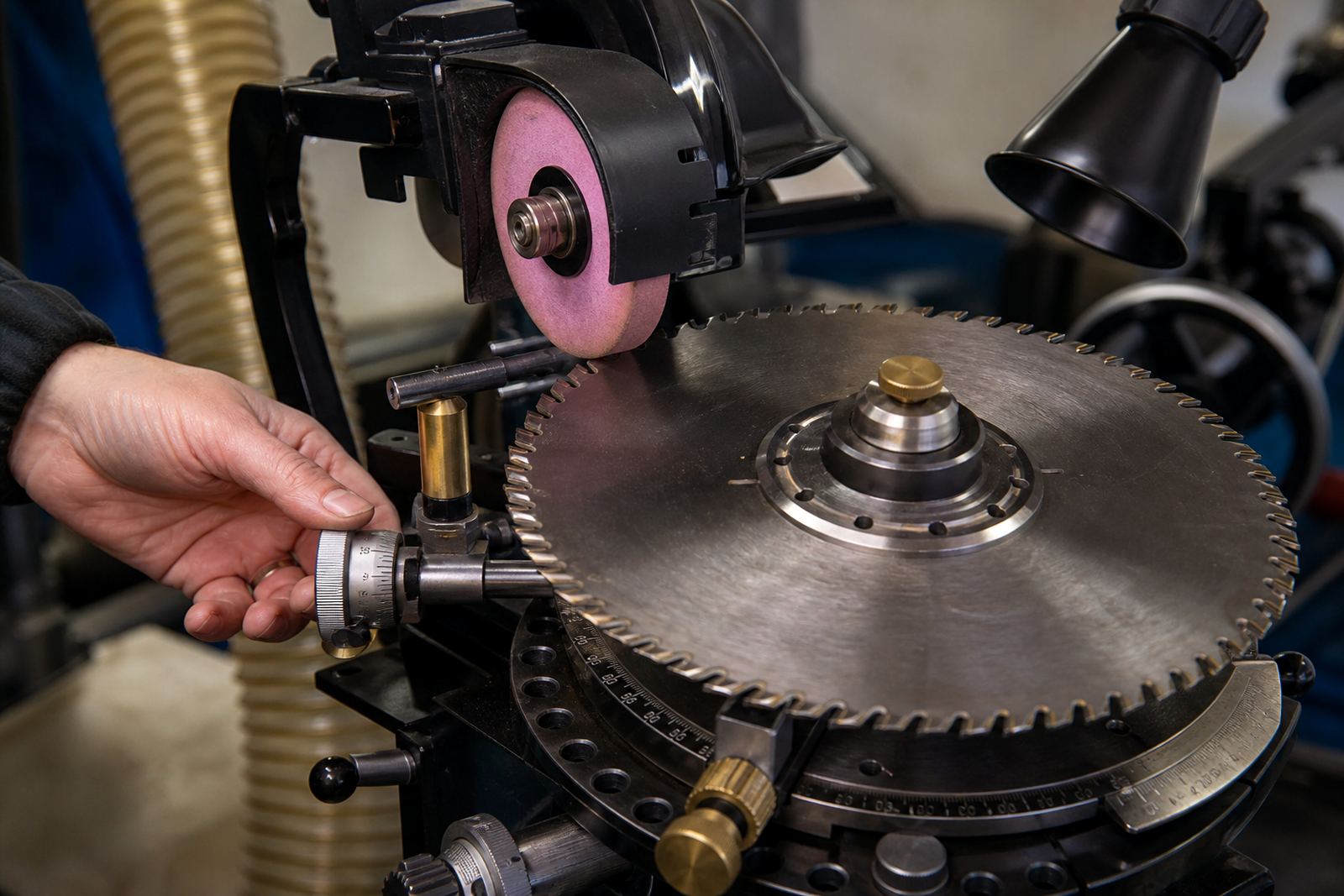
After sorting, the technician sets the point and cutting faces to the correct geometry for the drill type and the intended use. The aim is clean material removal with even lips and a centred point, not just a quick pass on the wheel. Once sharpened, each bit is checked again for balance, symmetry and usable cutting condition.
We then pack the items for collection or return delivery. Clients in Durban, Westville, Hillcrest, Pietermaritzburg, Johannesburg, Pretoria and Cape Town often use courier bookings for this part because it keeps the process simple and avoids time lost on travel.
- Intake and sorting
- Condition assessment and job grouping
- Grinding, correction and finishing
- Final check before release
- Courier return or collection from the workshop
Turnaround Times and Pricing Approach
Turnaround depends on how many drills you send, the condition of the batch and whether the items need standard sharpening or more detailed correction. A small set of ordinary workshop bits is usually quicker to process than a mixed batch with chipped edges, off-centre points or burn marks. We will always look at the job first and give a practical turnaround estimate before work starts.
Pricing is based on the type of drill, the amount of material that needs removing and the overall condition of the batch. A light touch-up costs less than a full regrind on a badly worn bit. This keeps pricing fair for hobby users with a few pieces and for trade clients sending in larger quantities.
For regular users, batch work is usually the most cost-effective way to handle drill maintenance. It reduces courier handling per item and makes it easier to plan shop stock. If you need a standing maintenance cycle, we can help set a repeat schedule that suits your usage rate.
- Single drill pricing and batch pricing available
- Heavier wear costs more than routine sharpening
- Quotes depend on size, condition and quantity
- Courier collection can be added to the job
When to Send Drills for Maintenance
Do not wait until a drill is completely useless. Once you notice extra heat, slow bite, squealing, wandering starts or a need to push harder than usual, the cutting edges are already losing shape. In many cases that is the best time to bring the bit in, before the damage gets worse or the point overheats too much.
As a general rule, drilling mild steel, timber, plastic or masonry type material will wear bits at different rates. Harder material, poor feed pressure and dry running shorten service life quickly. Coastal humidity around Durban and other KwaZulu-Natal areas can also affect storage, so bits kept in damp boxes or vehicles may show light corrosion that should be dealt with early.
For trade users, we recommend checking drills as part of routine tool care after heavy jobs, site shutdowns or stock audits. If a batch is used daily, monthly inspection is sensible. For lighter workshop use, a longer interval may be fine, but once the point is no longer centred the cutting quality drops fast.
- Stop using a drill once it wanders or overheats
- Check sets after heavy site work or high-volume jobs
- Store bits dry and separate from loose steel offcuts
- Send mixed batches together for easier sorting
Keeping Drill Bits in Better Condition Between Services
Good maintenance starts with the basics. Keep drill bits clean, dry and sorted by size so they do not knock against each other in a loose tin. If bits are packed with swarf, oil and dust, they dull faster and can pick up surface damage. A simple wipe-down after use helps more than people expect.
Use the correct speed, feed and cooling method for the material. Too much speed burns the cutting edge, while too little feed can rub instead of cut. If a bit is pushed into material after it has gone blunt, the heat builds up and the lip can chip. That turns a small sharpening job into a bigger regrind.
If you want help with tool care, we also work with training and starter kits for customers who are building up their own maintenance routine. The aim is straightforward: keep the drill set usable for longer, reduce waste and avoid unnecessary replacement. For clients in Pinetown, Durban and the wider Gauteng route, that often means less downtime and fewer last minute buys.
Key facts
| Typical drill types | Twist drills, jobber drills, general workshop bits and selected masonry type bits |
|---|---|
| Common point angles | 118° standard and 135° when required by the bit type and application |
| Usual size range | 1.0 mm to 25.0 mm, with larger sizes quoted on assessment |
| Service scope | Point correction, edge restoration, regrinding, balance checking and burn mark removal |
| Turnaround | Depends on quantity and condition, with batch jobs quoted after inspection |
| Collection options | Workshop drop-off in Pinetown or courier collection across South Africa |
| Pricing basis | Calculated by size, wear, quantity and level of regrinding needed |