Courier collection from workshop floors, farms and home sheds
CutTool Sharpening offers courier collection booking for businesses and individuals who need their cutting tools collected without losing a day driving to a workshop. We collect from Durban, Pietermaritzburg, Johannesburg, Pretoria, Cape Town, Pinetown, Westville and Hillcrest, with tools routed to our Pinetown base for inspection and service.
This service is handy for joiners, cabinet shops, maintenance teams, timber yards, sign makers and serious hobbyists. If your tools are boxed correctly and the collection address is ready, the process is straightforward and saves time, fuel and repeated stop-start trips in load-shedding traffic.
We handle mixed batches too. A single courier booking can include circular saw blades, table saw blades, drill bits and router bits, each tagged on arrival so the items are not mixed up. Small slipups in packing cause the biggest delays, so we give clear instructions before the courier arrives.
What the booking includes from pickup to return
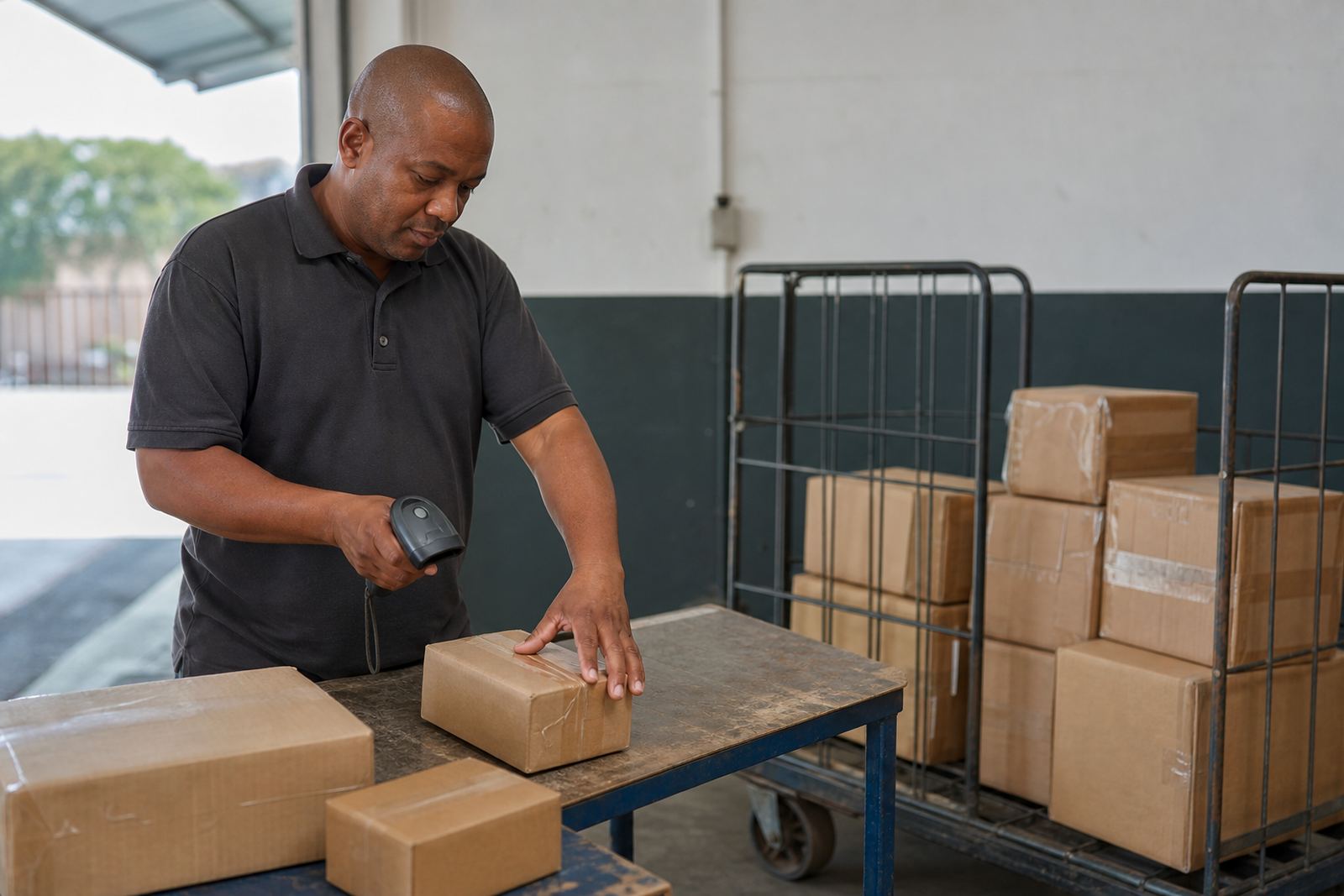
The booking service is set up to keep your tools traceable from pickup to return. Once your collection is booked, we confirm the parcel details, service type and address instructions. The courier collects the sealed package and brings it to our workshop for checking, sorting and intake.
- Collection booking for one-off or repeat loads
- Batch tool tagging for mixed orders
- Intake check for damage, missing items and service notes
- Service routing for sharpening, regrinding or correction work
- Return dispatch after final inspection and packing
We can also book collections for larger workshop runs where tools come in weekly or monthly. That is useful where a site has fixed maintenance cycles or where production must keep moving with clean, sharp cutting edges.
How the collection process works
The process is simple. First, send through the enquiry form on our contact page with the collection suburb, tool list and preferred timing. We then confirm what needs to be packed, whether blades need guards, and if any items require special handling because of teeth damage or heavy rust.
- Step 1: Submit the enquiry form with your suburb and contact details
- Step 2: Confirm tool types, counts and any faults
- Step 3: Pack tools securely in a box or crate with padding
- Step 4: Courier collects from the address or reception point
- Step 5: We inspect, sharpen or regrind, then return the order
For businesses in industrial areas, reception or security gate collection can be arranged if the courier notes are clear. Please make sure the package is labelled with your name or company name, because that saves time at intake and keeps batches together.
Packing rules for blades, bits and drill sets
Good packing protects teeth, cutting faces and shanks on the way to Pinetown. Saw blades should be separated with cardboard or foam between each blade. Router bits and drills should be grouped so the cutting edges do not knock against each other in transit. If items are loose in a box, they can arrive with fresh nicks before the work even starts.
Where possible, remove excess sawdust, resin and oil before packing. A quick clean helps our technicians inspect burn marks, chipped edges and wear patterns faster. If you are sending a large batch, include a note with blade diameters, bore sizes, flute counts and any special instructions for angle resetting or diameter correction.
- Keep blades flat and separated with padding
- Bag smaller bits by type and label the bags
- Use a strong box with enough filler so nothing shifts
- Do not send damaged items loose in a courier sleeve
In coastal areas like Durban, humidity can leave light surface corrosion if tools sit in storage too long, so it helps to pack and dispatch them promptly.
Turnaround times and pricing approach
Turnaround depends on the number of tools, the condition of the cutting edges and the type of work needed. A small batch of standard blades or drill bits can often move quickly, while a load with burn mark removal, chipped edge recovery or diameter correction may need more time. We always assess the condition first, then confirm the service route.
Pricing is based on the tool type, the amount of regrinding required and the collection and return logistics. Courier costs are quoted separately from sharpening work so you can see what applies to the tool service and what applies to transport. That keeps the booking clear for workshop managers and private clients alike.
If you are sending regular batches from Johannesburg, Pretoria or Cape Town, recurring collection plans can be discussed for better planning. It helps when the same team sends similar tools on a predictable schedule and wants a steady maintenance rhythm rather than emergency repairs.
Maintenance intervals that keep tools cutting cleanly
Correct booking intervals make a difference. Saws that run daily on timber or board product often need attention sooner than hobby tools used once or twice a month. Drill bits and router bits should be checked before they start burning, wandering or leaving rough edges. If you wait too long, more material has to be removed and the tool may lose working life faster.
A practical rule is to book collection when you notice slower cutting, extra heat, chatter, or a rough finish. For high-use workshops, monthly or bi-monthly collection keeps the job list under control. For lighter users, a quarterly service may be enough. The key is not to let the edge run dull because dull tools increase strain on the machine and the operator.
- Daily use: inspect weekly and book when cutting quality drops
- Weekly production: schedule monthly collection runs
- Light workshop use: keep to seasonal checks or as needed
- After damaged timber or nails: send for inspection straight away
With the right intervals, the tools stay cleaner, the finish is better, and you avoid unnecessary waste in the workshop.
Key facts
| Base | Pinetown, KwaZulu-Natal |
|---|---|
| Collection areas | Durban, Pietermaritzburg, Johannesburg, Pretoria, Cape Town, Westville, Hillcrest |
| Tool types | Saw blades, drill bits, router bits |
| Booking method | Enquiry form on contact page |
| Batch handling | Tool tagging and intake sorting |
| Typical turnaround | Depends on volume, condition and service type |